



Pintar Puertas
Guía y productos profesionales para un resultado perfecto
Pintar puertas es una de las formas más sencillas de dar a tu hogar un aspecto fresco y cuidado. Ya sea que quieras pintar puertas interiores, pintar marcos de puertas o pintar puertas de blanco viejas, con la pintura y la técnica adecuadas conseguirás un resultado profesional sin necesidad de un profesional.
Inspiración Antes y Después
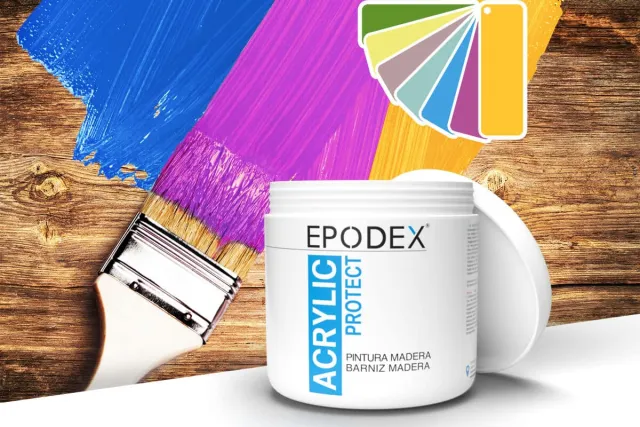
Our Door Paint at a Glance
Acrylic Protect is an acrylic-based paint with a satin finish, specially developed for dimensionally stable substrates and surfaces with paint-on-paint contact – such as doors, door frames and windows. It provides a smooth, durable surface, is easy to maintain, UV-resistant and available in numerous colours. Acrylic Protect is the ideal choice for anyone wanting to lacar puertas or pintar puertas.
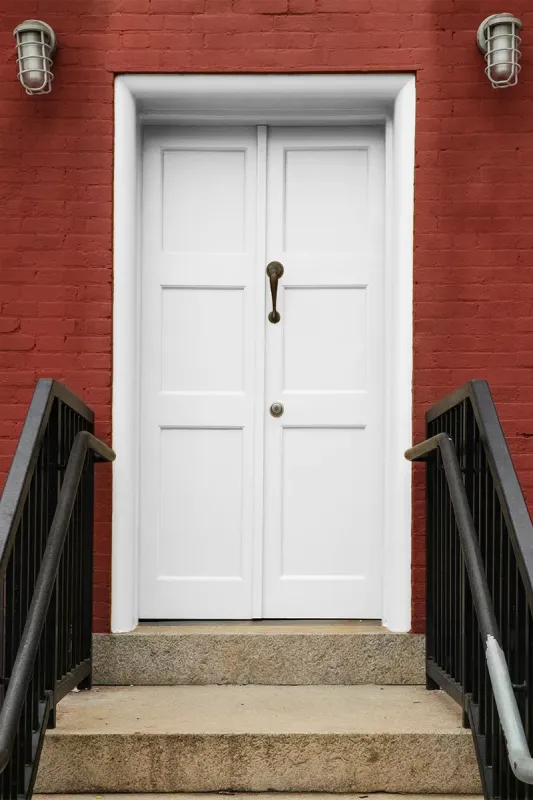
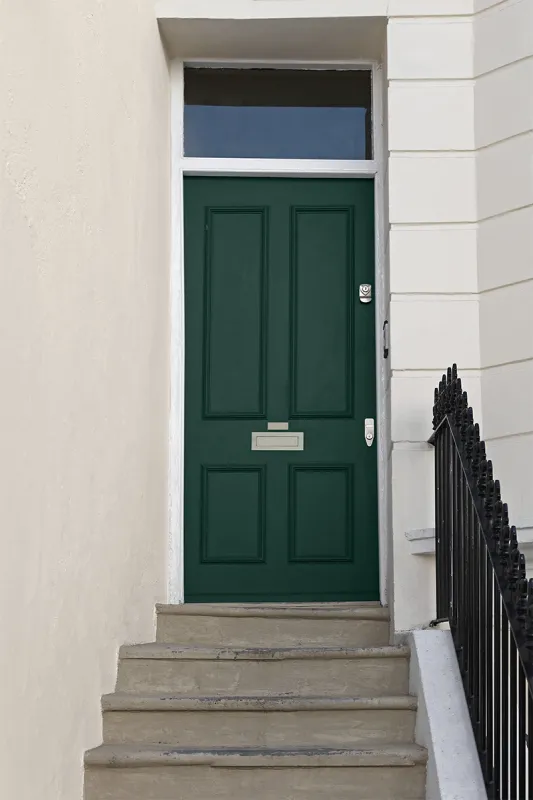
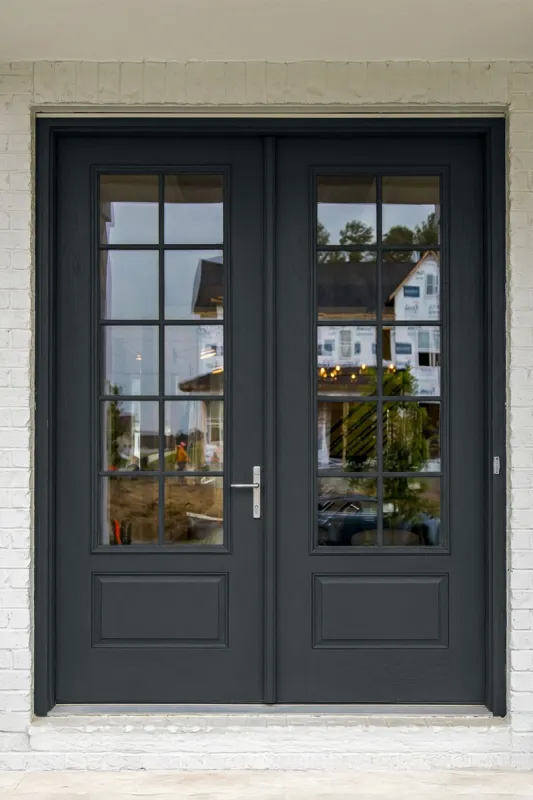
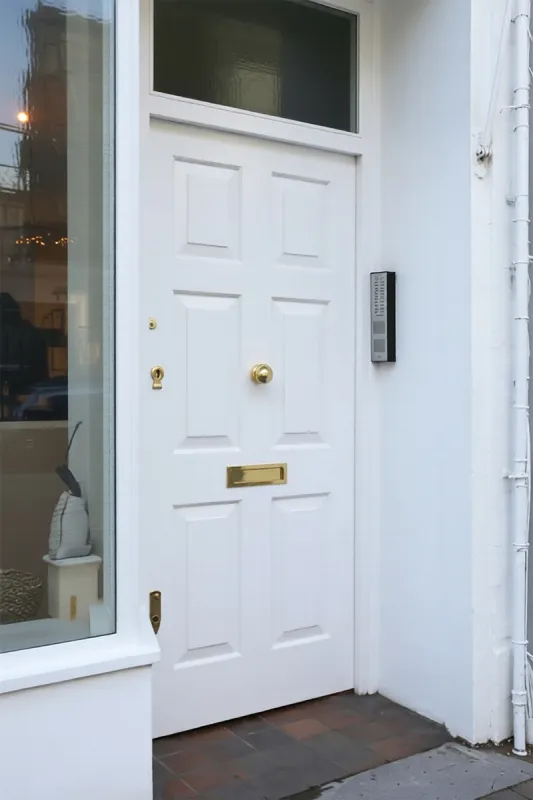
Worn, scratched or yellowed doors immediately catch the eye and can significantly detract from the overall impression of a room. A fresh coat of paint transforms even the oldest door into a real eye-catcher. Before-and-after comparisons consistently show how impressive the difference can be after lacar puertas – from worn and dull to smooth, modern and stylish.
Why the Right Door Colour Makes All the Difference
Pintar puertas is significantly cheaper than buying new doors and offers maximum design freedom. Instead of replacing worn doors, a fresh coat of paint is enough to give them a modern appearance. Acrylic Protect is water-based, low-odour and environmentally friendly – ideal for indoor use, where you don't want to put up with strong solvent fumes for long. Thanks to its UV resistance, the paint doesn't yellow, which is particularly important when you want to pintar puertas de blanco. Whether classic white, subtle grey tones or bold colour accents – with Acrylic Protect, every door becomes an individual design element.

Más Inspiración de Diseño
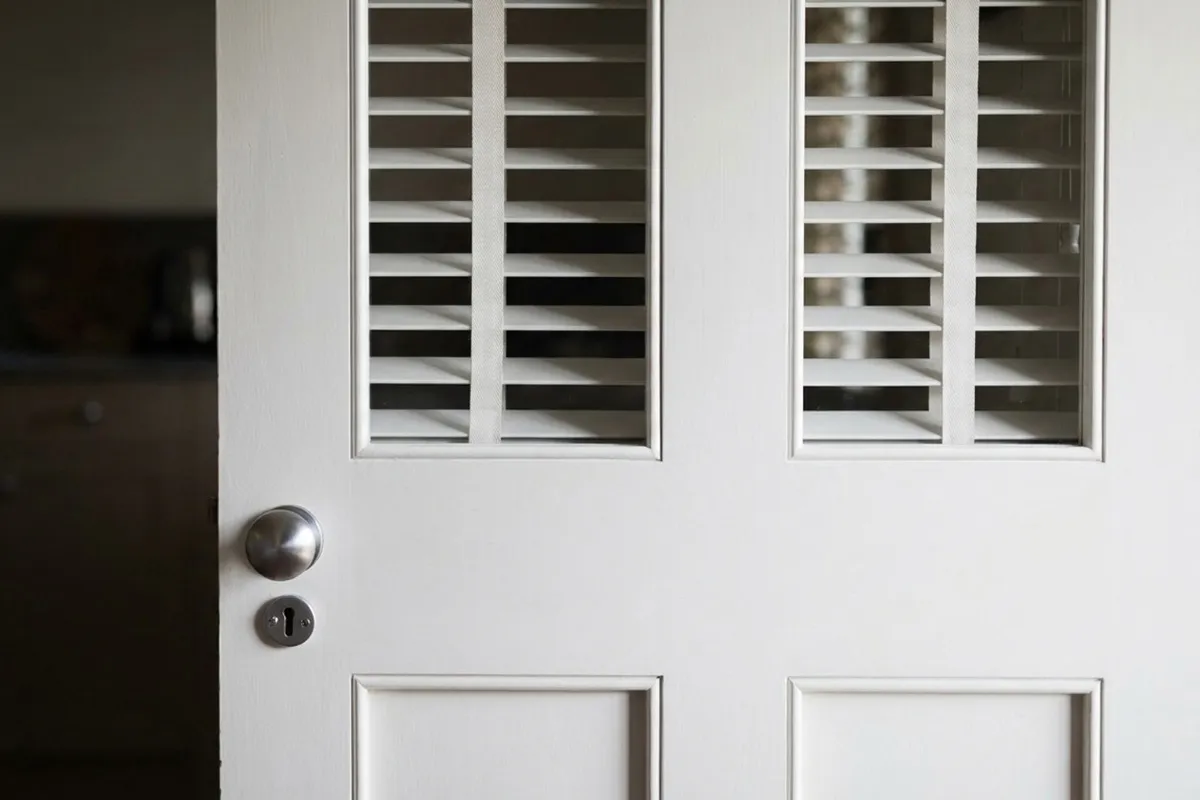
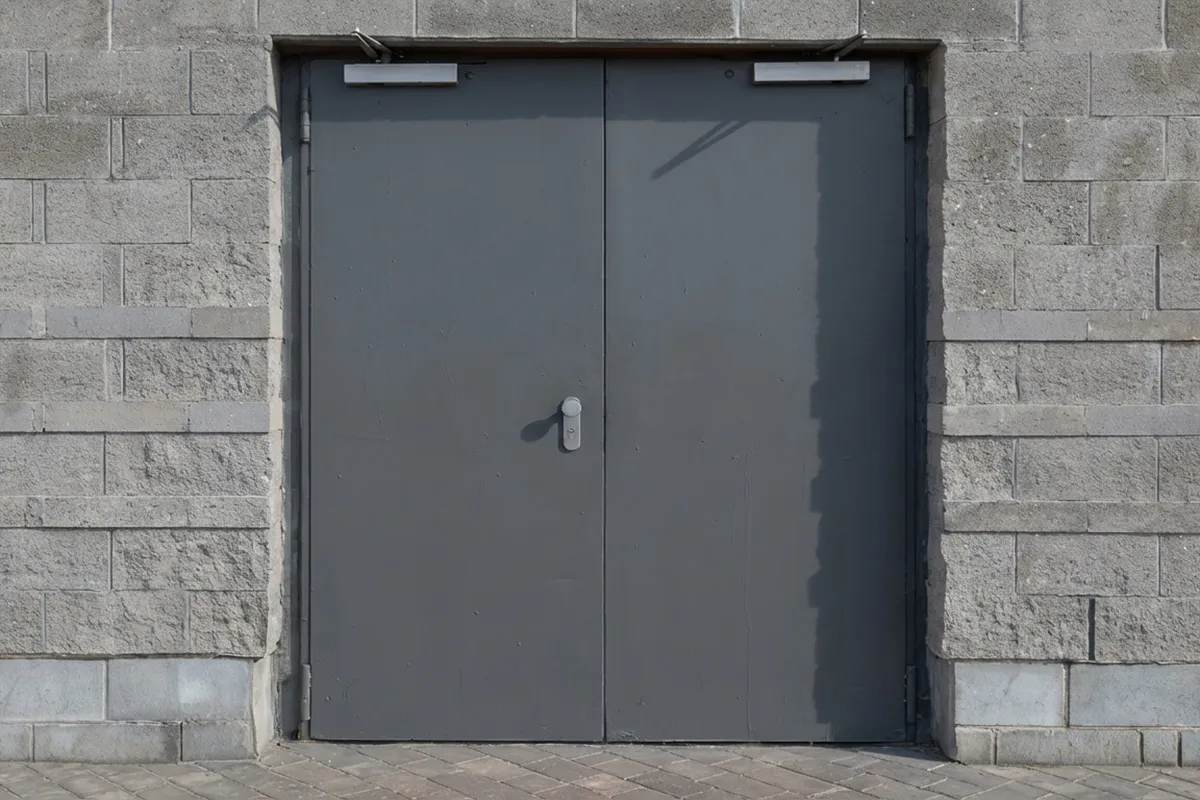
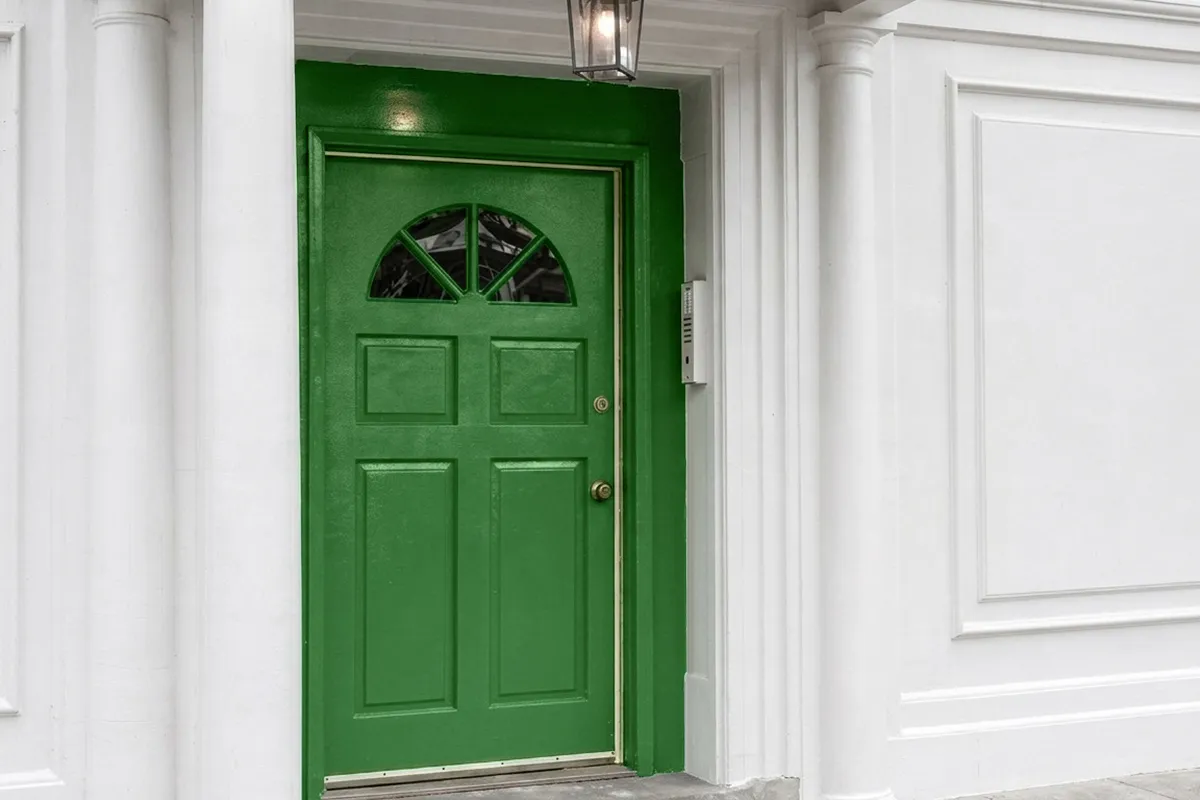
Déjate inspirar por más ideas de diseño y descubre las múltiples posibilidades para pintar puertas. Desde el blanco atemporal pasando por elegantes tonos pastel hasta colores de contraste intensos: la elección correcta del color puede transformar completamente una habitación. Explora galerías de imágenes y ejemplos de proyectos para encontrar la inspiración perfecta para tu próximo proyecto de pintar puertas.



Preguntas y respuestas
How do I apply Acrylic Protect correctly when painting doors?

Sand the substrate to improve adhesion. Ensure the surface is clean and free of grease — if necessary, use a pre-cleaner. For metal surfaces such as door handles or metal frames, first remove rust and apply rust protection. Mix the paint well and add the supplied WB pigment. Apply one coat with a brush or foam roller and allow to dry for approximately 8 hours at 20 °C. We recommend approximately 2 coats for an optimal result.
¿Cuál es la diferencia entre Acrylic Protect y Acrylic Protect+ al pintar puertas?
Acrylic Protect es una pintura dimensionalmente estable, desarrollada para superficies estables y áreas con contacto pintura sobre pintura como puertas y ventanas. Acrylic Protect+ es una pintura flexible para superficies no dimensionalmente estables o que se deforman. Para pintar puertas y todos los marcos de puertas interiores convencionales, Acrylic Protect es la elección correcta, ya que las puertas y los marcos son dimensionalmente estables.
How many coats do I need when painting doors?
For uniform coverage and durability, two coats are usually required. For highly absorbent surfaces or when painting over dark colours, a third coat may be necessary. You should allow approximately 8 hours of drying time between coats at 20 °C.
What is the minimum temperature required when painting doors?
Acrylic Protect must be applied at a minimum of +8 °C (substrate, room and paint temperature). The optimum application temperature is 20 °C. Application below the minimum temperature can lead to problems with opacity and drying.
¿Cuánta pintura necesito por m²?
El consumo de Acrylic Protect es de aproximadamente 110–130 g/m² por mano. Con dos manos recomendadas, necesitarás alrededor de 220–260 g/m² en total. En superficies rugosas o muy absorbentes, el consumo puede ser mayor. Una puerta estándar tiene aproximadamente 1,5–2 m² de superficie por lado.
Is Acrylic Protect matt or glossy – which is suitable for painting doors white?
Acrylic Protect has a satin finish – an elegant blend of subtly glossy and easy-care. The Pastel and Polar White variants have a matt finish. For painting doors white, Acrylic Protect Polar White is particularly suitable, as it comes pre-tinted and requires no additional pigment.
Is Acrylic Protect UV-resistant?
Yes, Acrylic Protect is UV-resistant. This means the paint will not crack or peel when exposed to sunlight. This is particularly important for doors near windows or exposed to direct light. Please note that some colours — especially vibrant colours such as red — may change slightly over time outdoors.
¿Puedo aplicar Acrylic Protect con pistola pulverizadora, ideal para pintar puertas de interior?
Sí, puedes aplicar Acrylic Protect con pistola pulverizadora. Si deseas diluir la pintura para pulverizar, puedes añadir hasta un 5 % de agua. La pulverización es especialmente adecuada para pintar puertas de interior, ya que proporciona una superficie uniforme y lisa sin marcas de pincel.
How do I clean my tools after painting doors?
Since Acrylic Protect is a water-based paint, brushes, rollers and other accessories can be easily cleaned with water immediately after use. It is important to clean the tools straight after painting before the paint dries.
Is there a transparent paint for protecting doors?
Yes, our 2K PU Clear Lacquer can be used as a transparent protective coating on doors. It is a universal top coat that can be applied to wood, metal and many other surfaces. Please note that the untinted version of Acrylic Protect is not transparent – it has a milky-white appearance.

Servicio / Asesoramiento
¿Tienes alguna pregunta? Estaré encantado de ayudarte


 TranspareciaCalidadServicio de atención al cliente