



Painting Kitchen Tiles
A Complete Guide
Painting kitchen tiles offers a practical, affordable way to refresh and modernise a kitchen without replacing existing surfaces. With the right technique, painting kitchen tiles can transform the look and feel of the space while keeping disruption to a minimum.
Before & After Inspiration
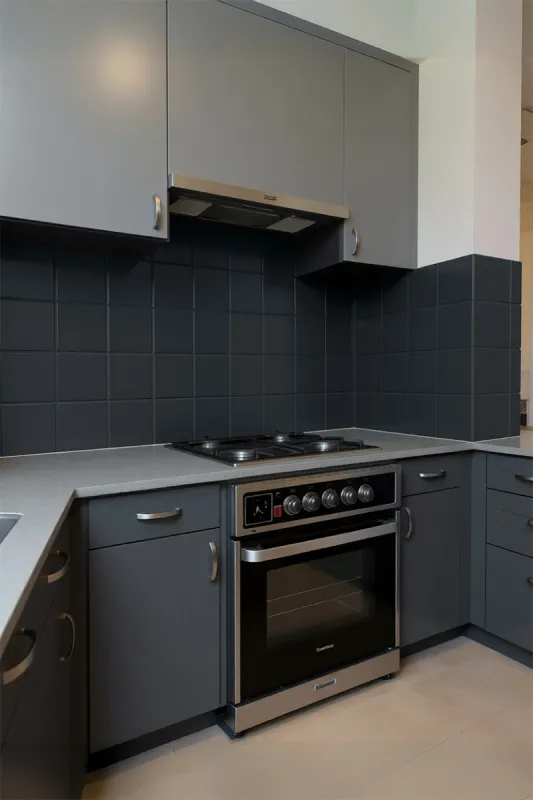
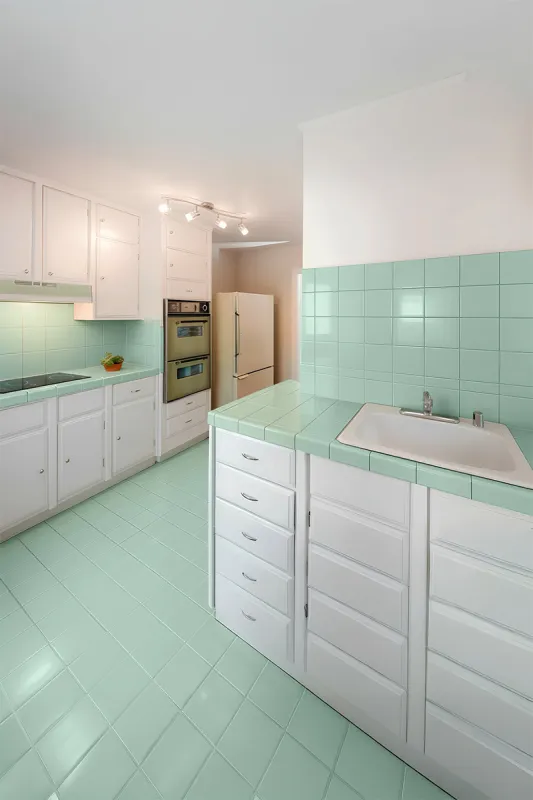
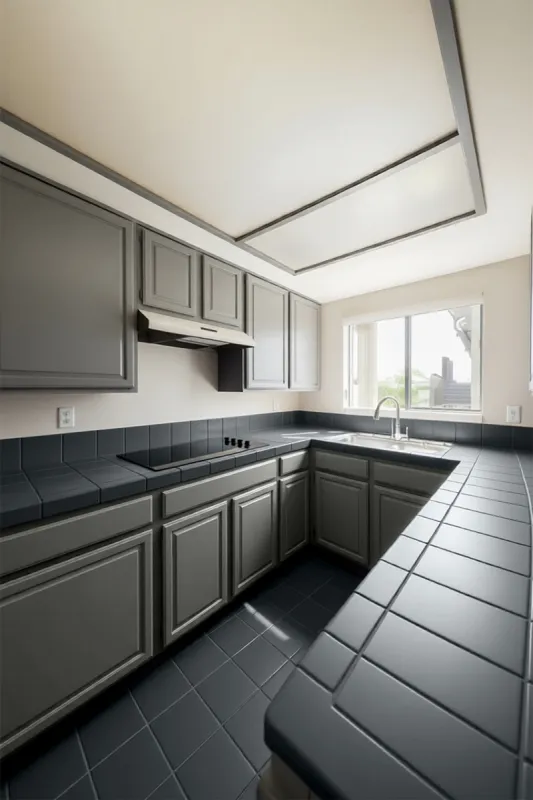
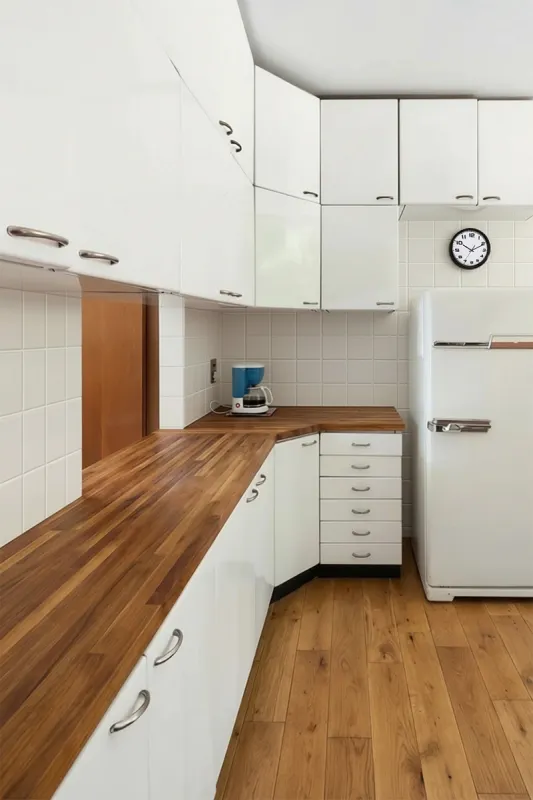
Before-and-after examples show how effective a transformation can be when painting kitchen tiles. Many kitchens featuring heavy patterns or darker shades become noticeably brighter once repainted, while neutral tones can help unify mismatched colour schemes. Exploring painting kitchen tiles before and after images is especially useful for understanding how changes in colour and finish influence the overall character of the room. These comparisons demonstrate how a dated surface can become a clean, contemporary backdrop, helping homeowners envision the potential of their own projects.
How It’s Done
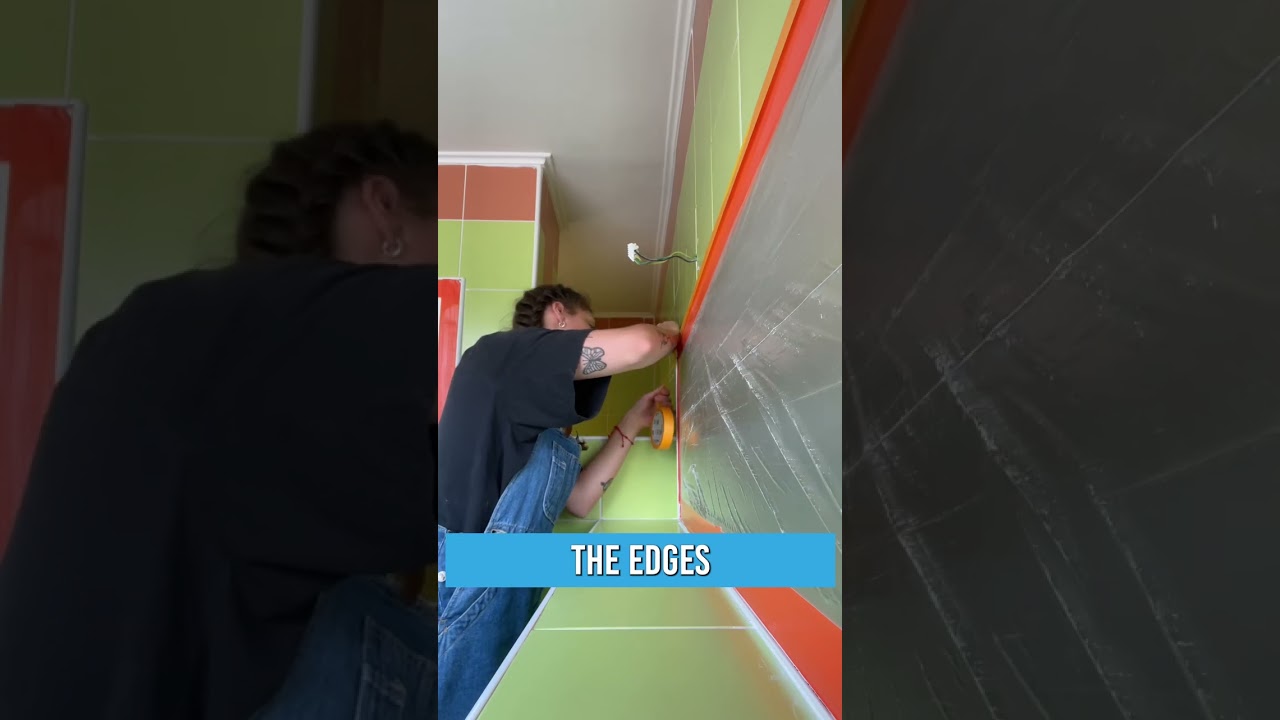
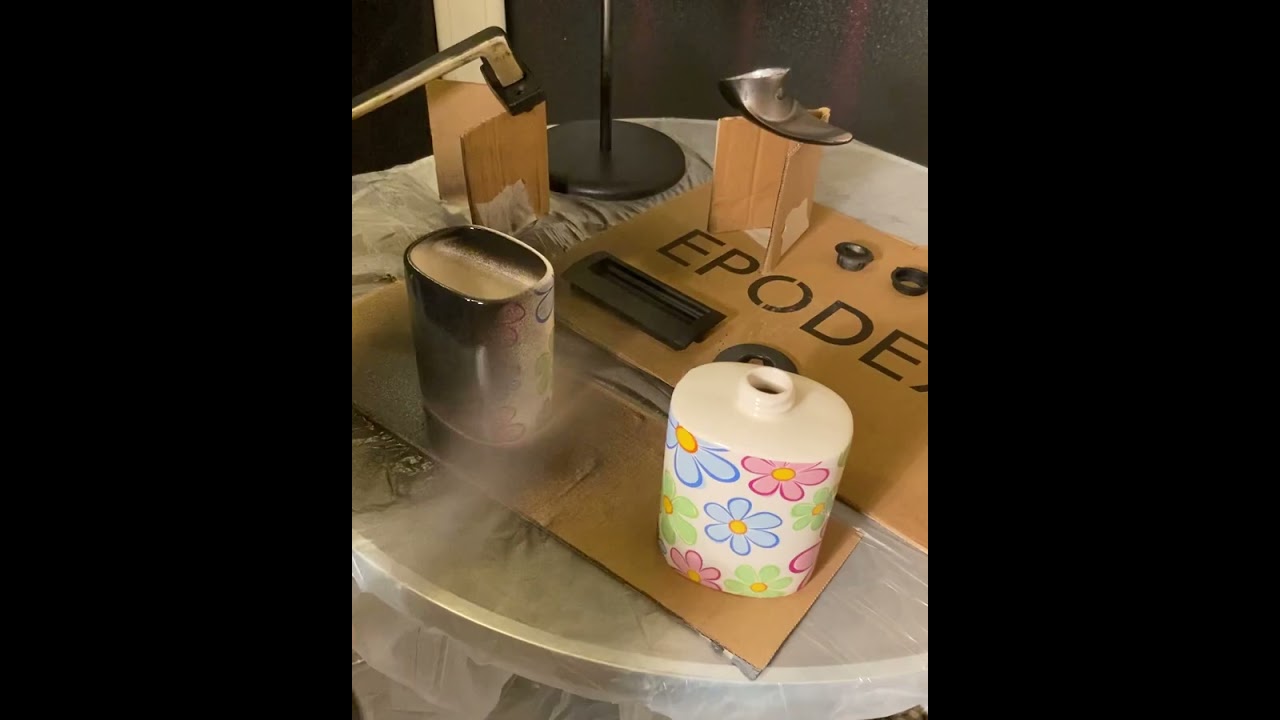
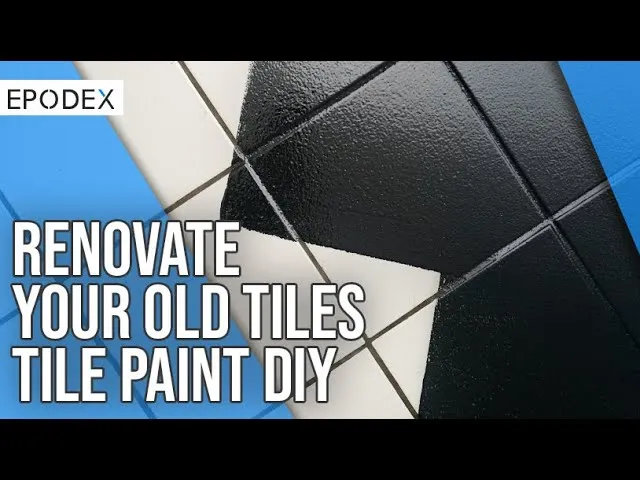
Watch the videos down below to learn more about the most frequently asked topics. Inspiration, tips, how to achieve a flawless result – everything you need to know is here!



Why Choose Tile Paint
Choosing tile paint is an appealing option when the existing tiles are structurally good but visually outdated. It offers a practical way to customise a kitchen without removing fixtures or replacing surfaces. Tile paint can align old tiles with a new colour palette, making the space more cohesive.
Check how easy painting kitchen wall tiles is! Reviewing painting kitchen tiles before and after examples also highlights how effectively colour changes can alter the atmosphere within the kitchen, from subtle updates to more dramatic redesigns.
Shop Our Best Sellers
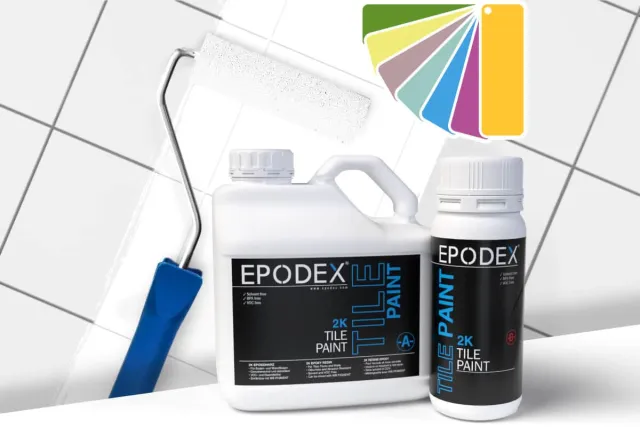
For heavily used wall and floor tiles as well as tiles with permanent water contact.
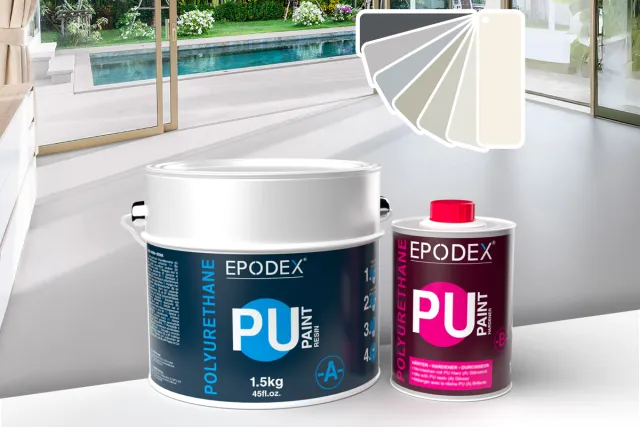
Suitable on concrete, wood, tiles, metal, ceramic, glass, and more.
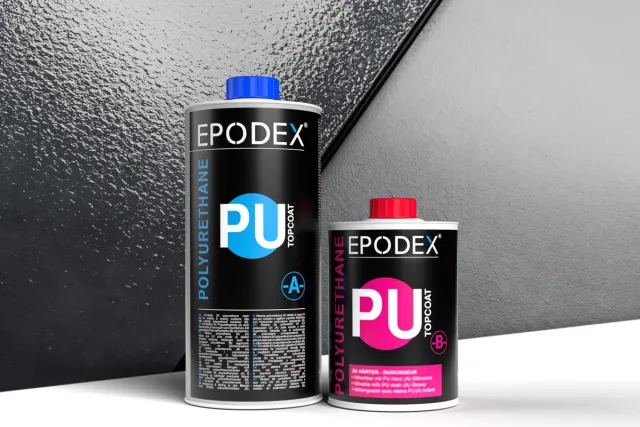
Suitable on microcement, epoxy resin, concrete effect, metallic brush effect, concrete, wood, parquet, wooden floorboards, metal, ceramic, glass, and more.
More Design Inspiration
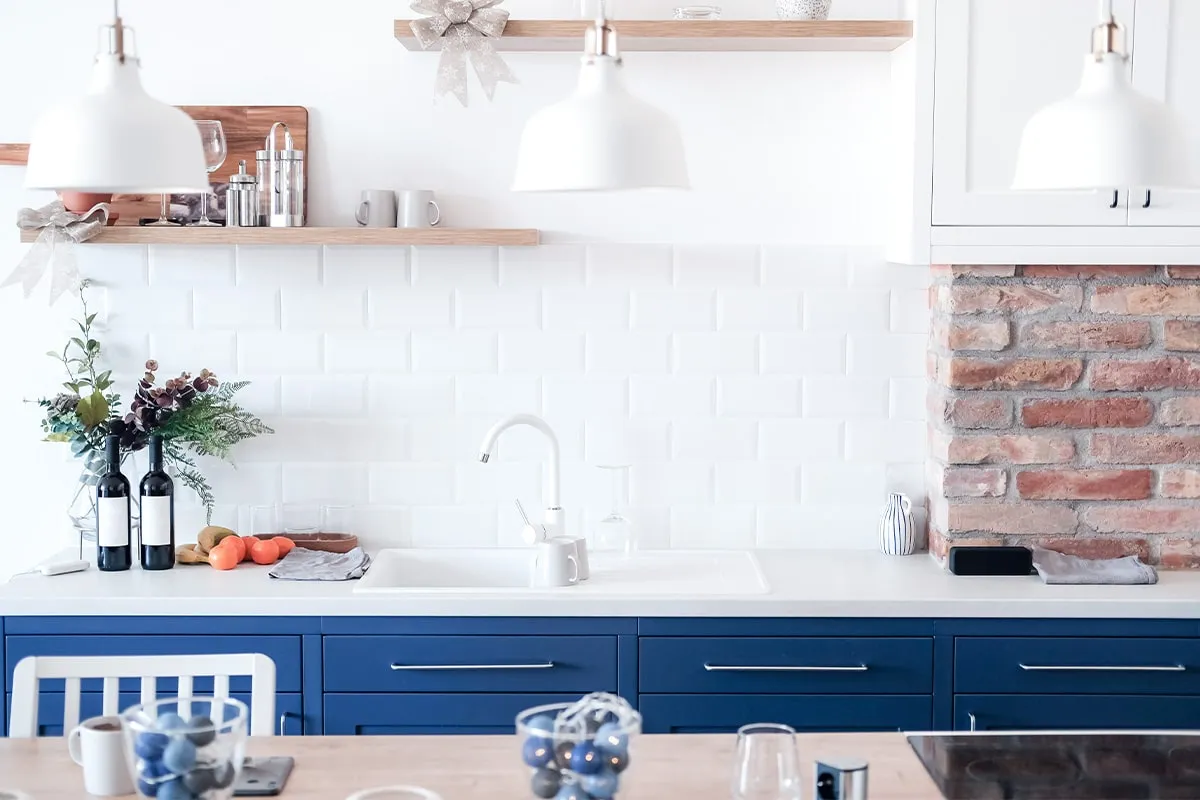
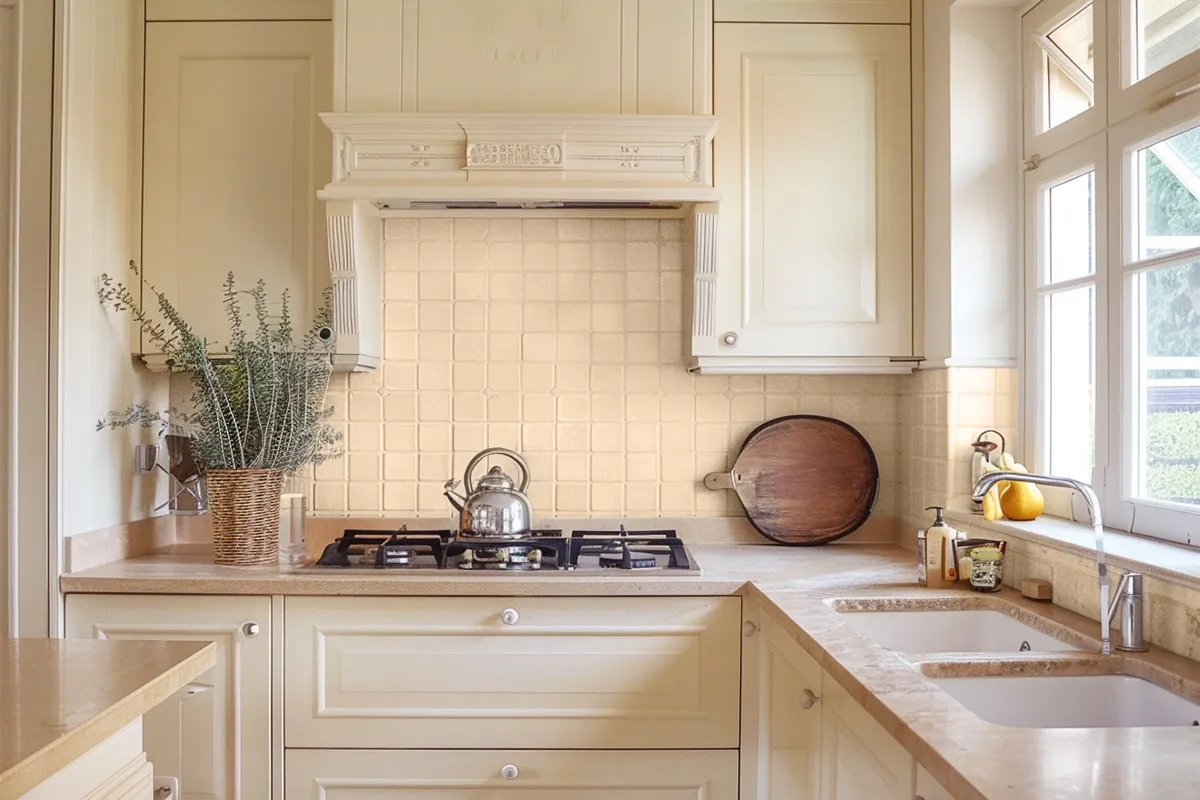
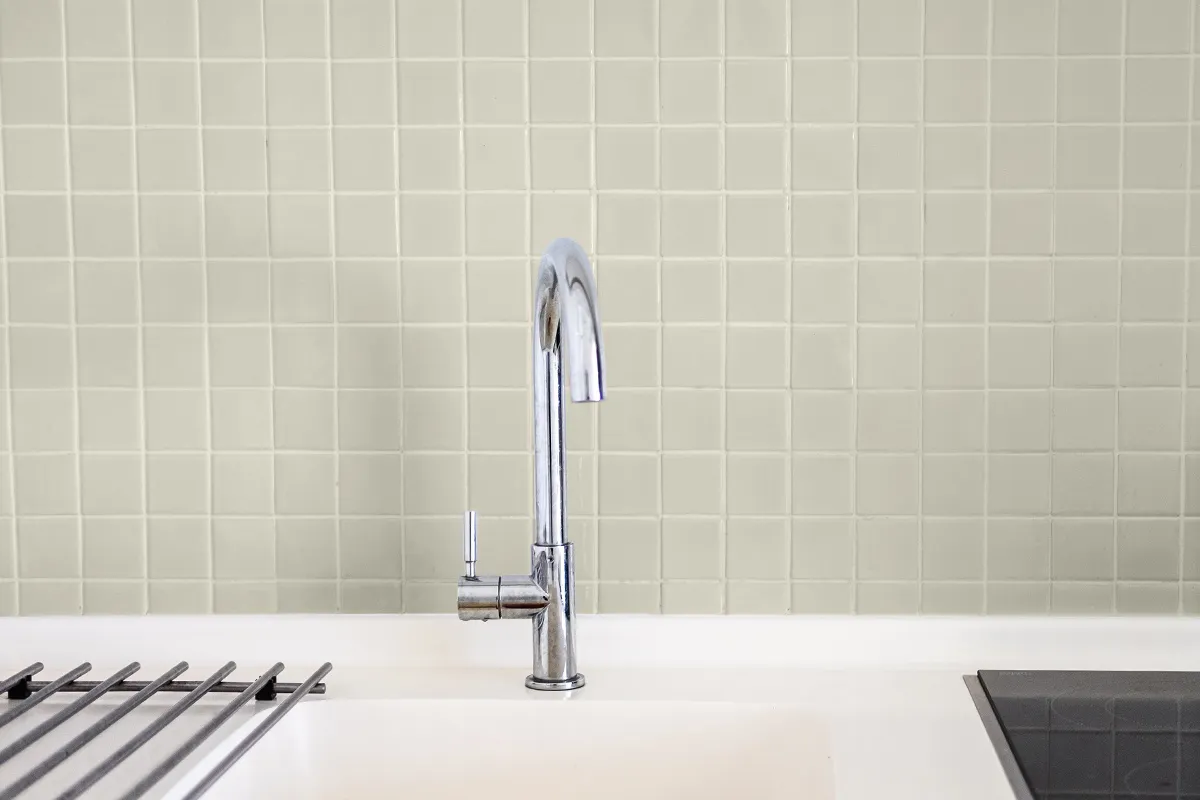
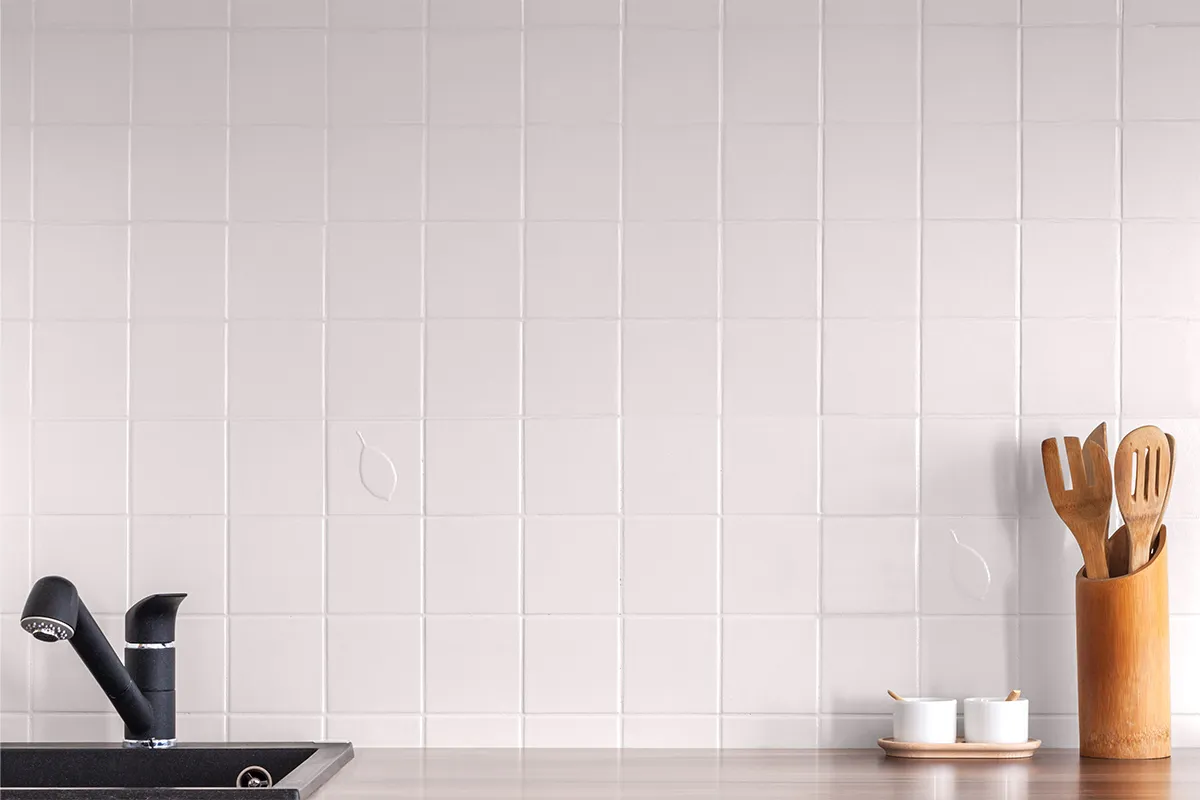
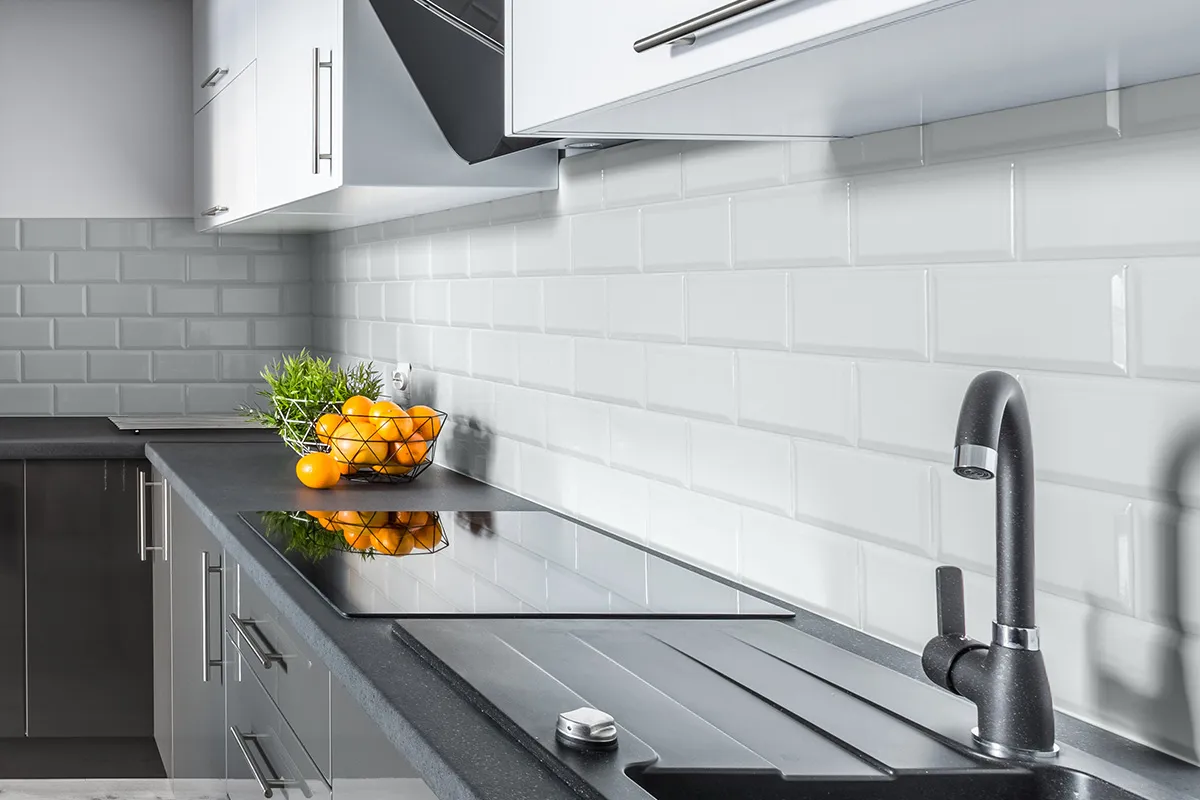
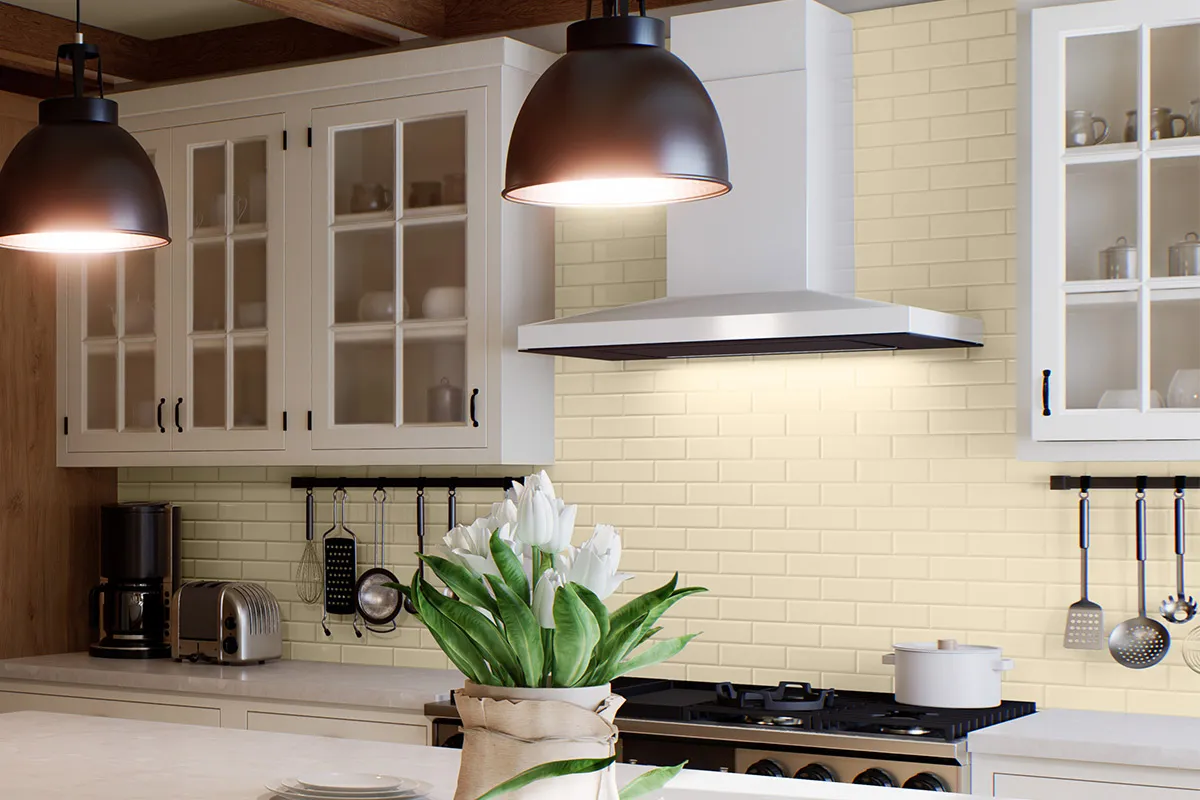
Experimenting with examples, mood boards and a variety of painted tile styles can help you refine your design direction and choose the perfect tile paint for your project. From minimalist finishes to bolder colour choices, exploring different possibilities can make it easier to imagine how your kitchen could look after painting the kitchen tiles. The more inspiration you gather, the more confident you will feel in selecting the right finish for your space.
FAQ – Questions & Answers About Painting Kitchen Tiles
What should I know before painting kitchen tiles?

Before starting, ensure the tiles are clean, dry and free from grease or residues. Adequate preparation helps paint adhere properly and supports long-lasting results when painting kitchen tiles.
Do painted tiles hold up well on kitchen walls?
Yes, painted tiles can hold up well on kitchen walls if the surface is properly cleaned, and the paint is given enough time to cure. When painting kitchen wall tiles, durability depends on good preparation, using suitable products and avoiding harsh or abrasive cleaning methods, especially in areas exposed to steam, grease and frequent wiping.
How do I maintain painted tiles in a busy kitchen?
Gentle cleaning with non-abrasive products helps protect the finish. Avoid harsh chemicals or heavy scrubbing tools to ensure painted surfaces remain smooth and consistent.
How do temperature and humidity affect painting kitchen tiles?
Consistent indoor temperatures and moderate humidity allow the paint to cure evenly. Extremely damp environments may extend drying time.
What type of surface preparation is ideal?
A thorough clean followed by light sanding helps the paint bond effectively. Removing grease is especially important in kitchens, where residues can interfere with adhesion.
Do painted tiles hold up well on kitchen walls?
Yes, painted tiles can hold up well on kitchen walls if the surface is properly cleaned and the paint is given enough time to cure. When painting kitchen wall tiles, durability depends on good preparation, using suitable products and avoiding harsh or abrasive cleaning methods, especially in areas exposed to steam, grease and frequent wiping.
Can I paint dark tiles in a lighter colour?
Yes, although multiple coats may be required depending on the original shade. Lighter colours can significantly brighten the room and enhance the sense of space.
Should grout lines also be painted?
Grout can be painted if a uniform appearance is desired. Some people prefer to leave grout unpainted for contrast, making design choice a matter of personal preference.
How long does the entire process take?
Preparation, painting and drying usually take one to two days. Larger areas or multiple layers may require additional time to ensure the finish cures thoroughly.
Will painted tiles look smooth even if my tiles are textured?
Textured surfaces may still show relief after painting. However, the colour will appear uniform, and the texture can sometimes enhance the final look.
Can painting kitchen tiles be a long-term solution?
With proper preparation and appropriate care, painted tiles can remain effective for several years. The durability depends on usage, cleaning habits and the quality of application.
Is it possible to test colours before committing?
Testing small sections or sample boards can help you understand how colours will appear in your kitchen. Observing them under different lighting conditions provides a clearer picture of the final result.
Are there any areas in the kitchen where tile paint should not be used?
Tile paint can be used on most indoor kitchen surfaces as long as the tiles are clean, dry and properly prepared. However, if you have an outdoor or partially exterior kitchen where tiles are exposed to strong sunlight, weather changes or moisture from the elements, the finish may wear more quickly. In those situations, a more resilient coating such as PU paint is generally recommended for better long-term durability.
Can imperfections in tiles be hidden with paint?
Minor imperfections may become less noticeable, although deeper cracks or chips will remain visible. Preparation methods can minimise, but not completely remove, underlying irregularities.
Are certain colours more suitable for kitchens?
Neutral shades often create a timeless look, while muted hues can add subtle character. Choosing a colour that complements cabinetry and worktops enhances overall harmony.

STEVE SMITH
Any questions? I am glad to help!


 Transparency Quality Customer Service
Closing Paragraph
Painting kitchen tiles offers a practical way to update a kitchen with minimal disruption and maximum visual impact. Explore further examples and resources to inspire your next project.