



Paint Exterior Walls
Your Guide to a Beautiful and Protected Outdoor Façade
To paint exterior walls is one of the most important measures for protecting your home long-term and enhancing its appearance. Whether you want to do exterior home painting to protect it from the weather, or you want to do painting outdoor to give it a fresh look – here you'll find everything you need to know.
Before & After Inspiration
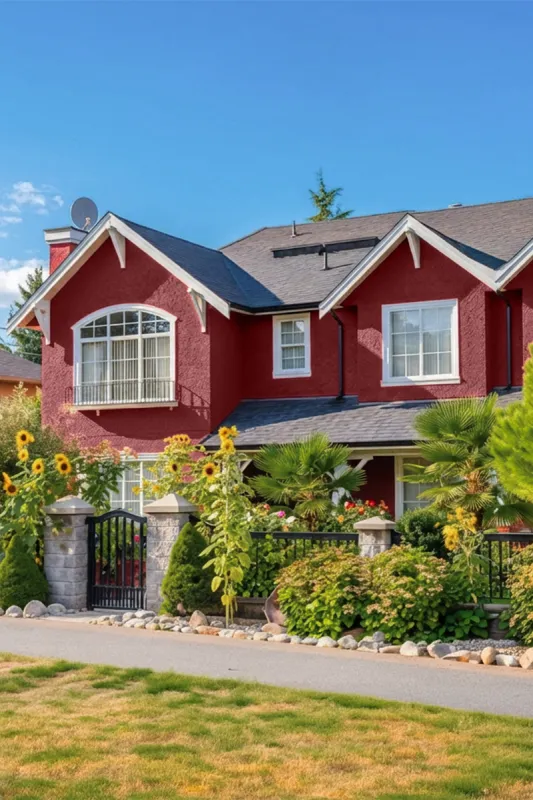
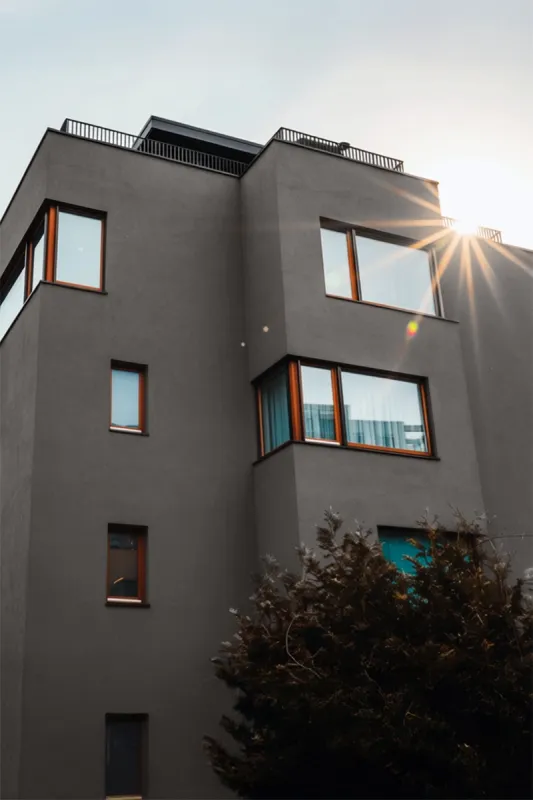
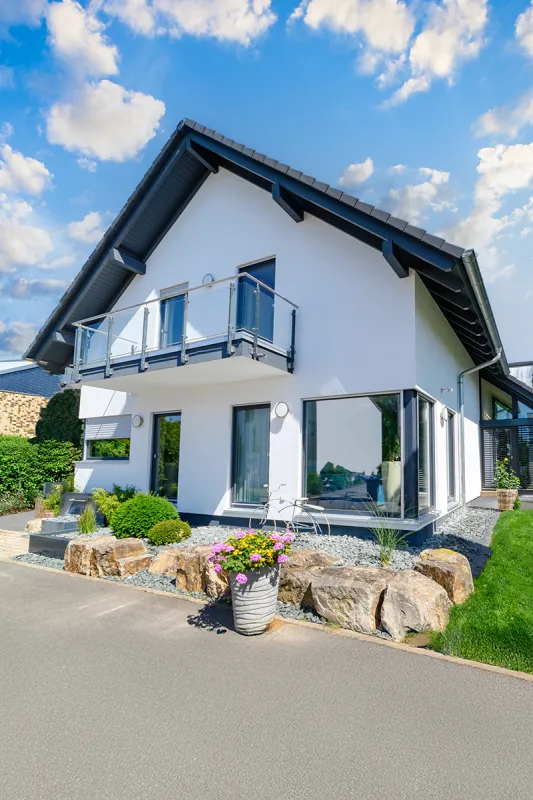
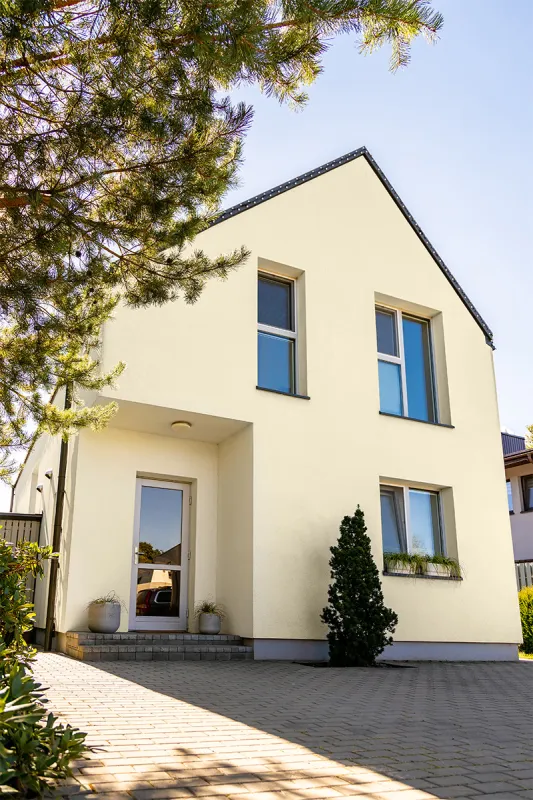
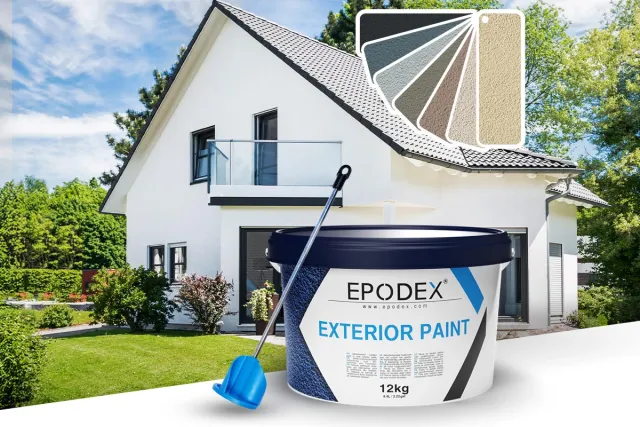
Suitable for nearly all façades: concrete, plaster, lime cement, cement mortar, lime-cement mortar, synthetic resin plaster, polymer resin coatings, etc.
Our Exterior Paint at a Glance
The EXTERIOR PAINT is a silicone resin paint based on pure acrylic copolymer, ideally suited as a façade paint, masonry paint or masonry coating. It is suitable for all stable, mineral substrates, including exterior render, concrete, brick, aerated concrete, old coatings and silicate paints. The paint is scratch- and abrasion-resistant, UV-stable, colourfast and provides reliable protection against algae and fungal growth.
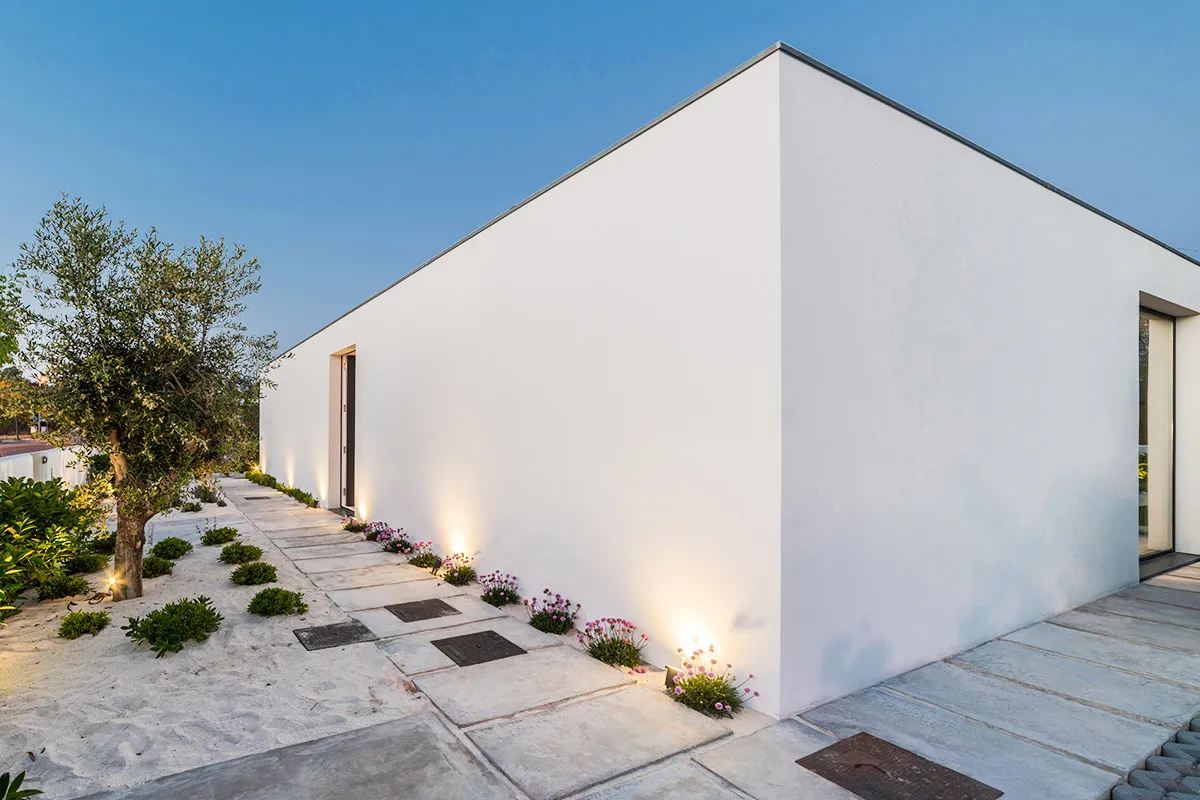
A freshly painted façade can transform the entire appearance of a house. Faded, weathered exterior walls look well-maintained, modern and inviting again after a new coat of paint. Before-and-after comparisons impressively demonstrate what a difference professional exterior home painting can make – from grey and worn to radiant and protected. The effect is particularly remarkable on older buildings.
Why Painting Exterior Walls Is the Right Choice
Painting exterior walls is one of the most cost-effective ways to protect your home whilst adding value at the same time. A high-quality Exterior Paint forms a breathable, vapour-permeable protective layer that allows moisture to escape from inside but repels rain and dirt. The cost to paint exterior walls is significantly lower compared to a complete façade renovation, and the effort required is manageable. UV-resistant paints ensure that the colours do not fade, whilst protection against algae and fungi extends the lifespan of the paintwork. Anyone looking to do painting outdoor also benefits from a solvent-free, environmentally friendly formulation.
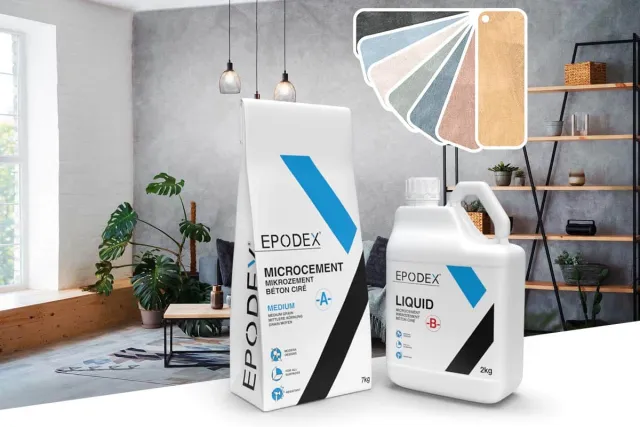
Microcement of premium quality for wall surfaces of all kinds indoors and outdoors. Living areas, commercial spaces, facades, and more.
Want More Than Just Painting? Discover Wall Coatings
If you're looking to go beyond traditional painting outdoor, you'll find that microcement offers a versatile alternative for bespoke exterior design. Microcement is a two-component decorative plaster that can be applied to walls, floors and furniture, delivering a seamless, durable concrete finish in various grain sizes. Please note that microcement is not waterproof on its own – for outdoor use or areas exposed to water, it must be sealed with a polyurethane topcoat (PU Finish).
More Design Inspiration
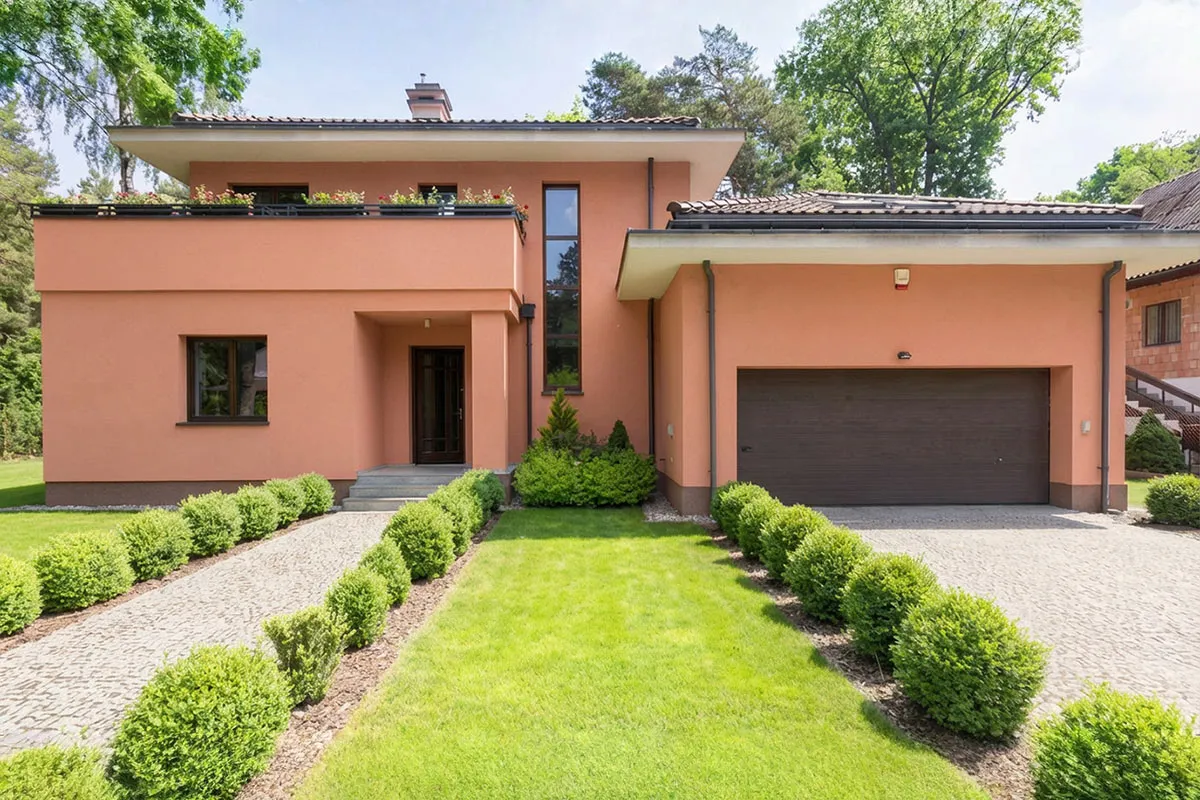
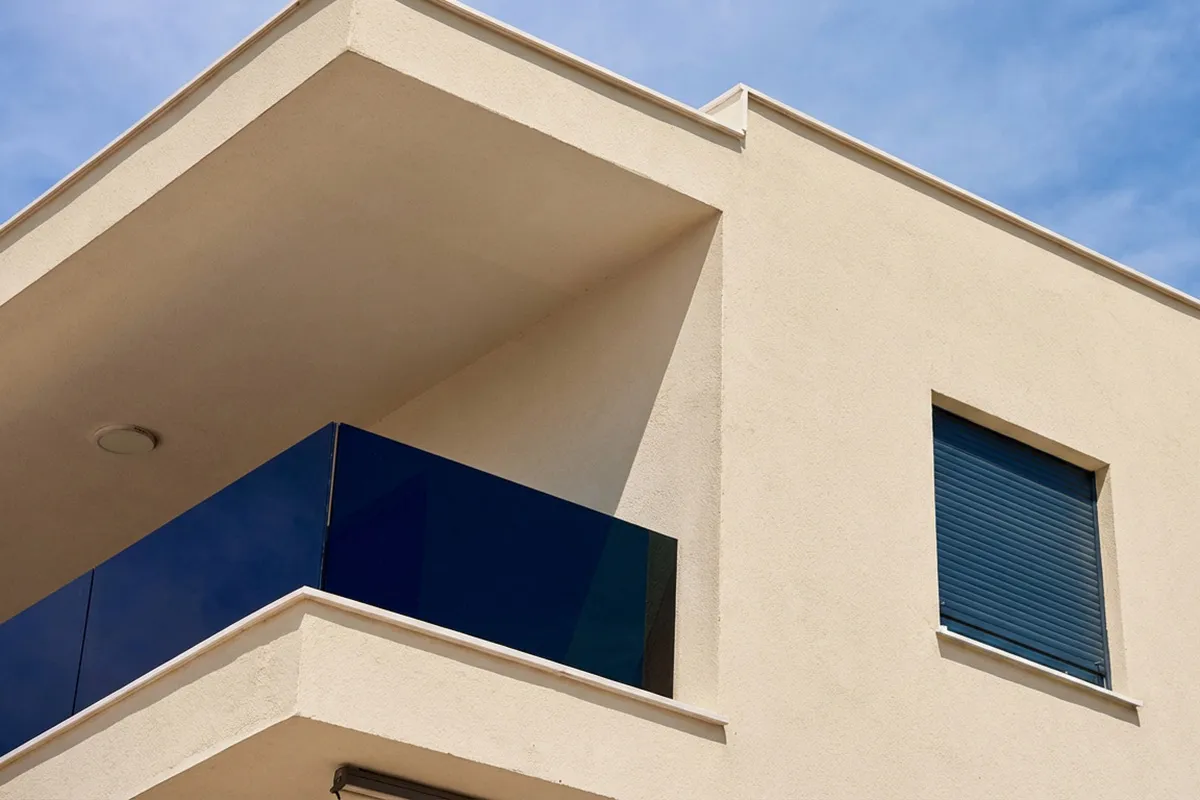
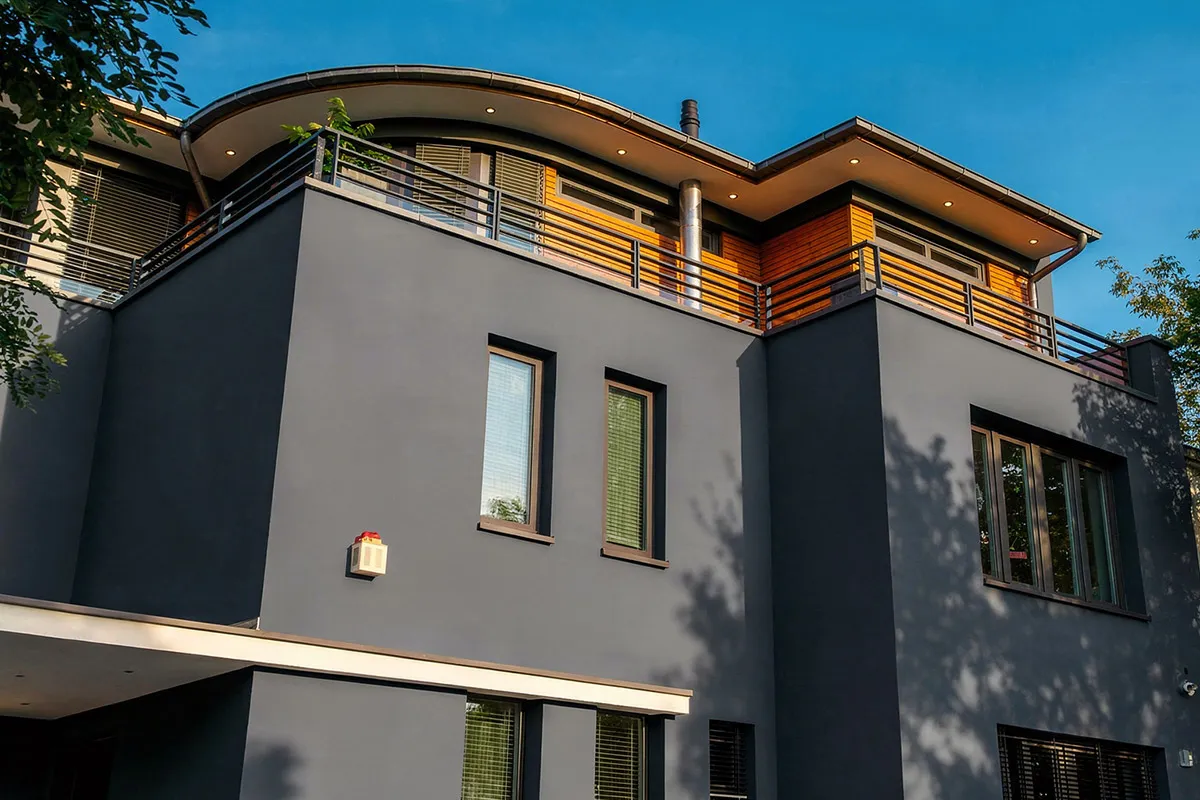
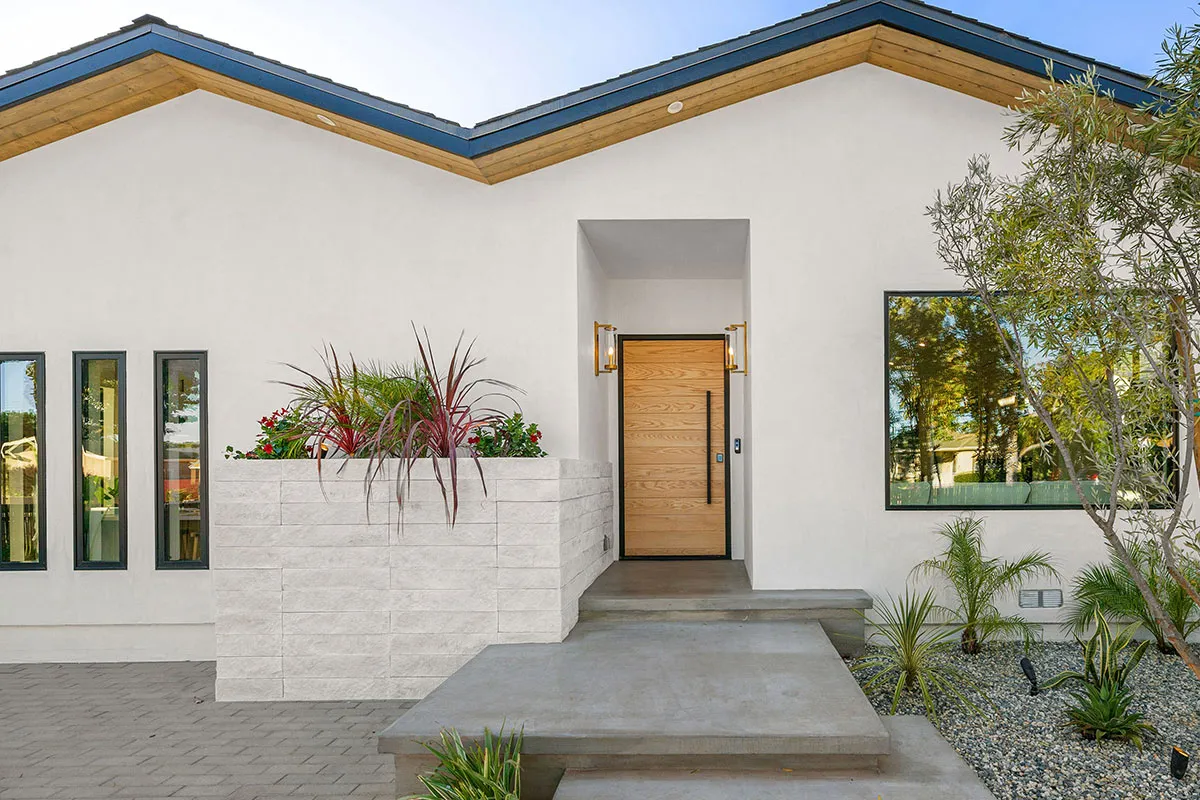
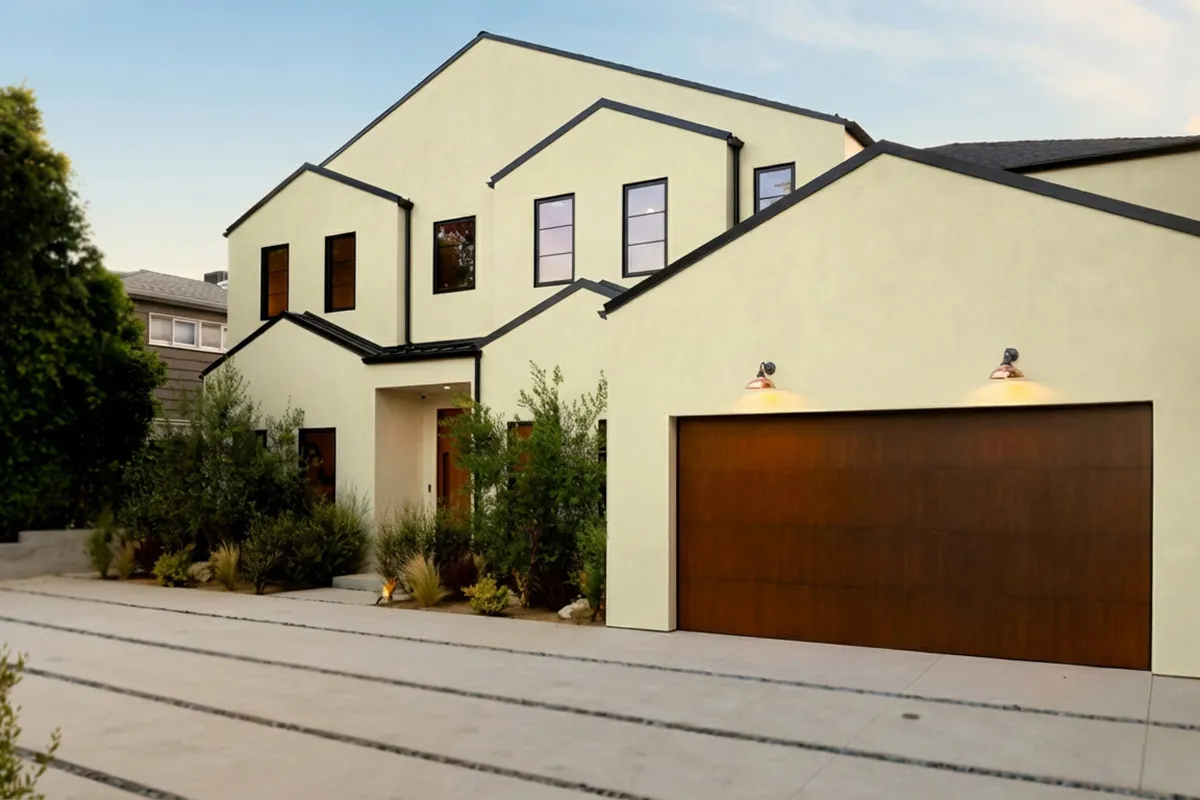
Let yourself be inspired by more design ideas and discover the diverse possibilities for your façade. From classic white tones to modern colour accents – the right Exterior Paint and technique can transform your house into a real showpiece. Browse through project examples to find the perfect inspiration for your next exterior home painting project.
FAQ – Questions & Answers About Exterior Paint
How do you properly apply Exterior Paint when doing exterior home painting?

Ensure the substrate is stable, clean and free from substances that could impair adhesion. Add the supplied WB pigment colour activator in the specified amount to achieve full colour intensity (note: the colour 'Polar White' does not include pigment as it is already pre-tinted). Mix the Exterior Paint thoroughly (approx. 3 minutes). Apply the paint and allow it to dry. We recommend two coats for optimum results.
How much Exterior Paint do I need per m²?
The coverage of Exterior Paint is approximately 200 g/m² per coat. With two recommended coats, you'll therefore need approximately 400 g/m² in total. The actual amount may vary depending on the absorbency and condition of the surface – an important factor when calculating the cost of painting exterior walls.
How long does Exterior Paint need to dry?
The Exterior Paint is touch-dry after 3–5 hours at 20 °C and 65% humidity. It is fully cured after approximately 3 days. At lower temperatures or higher humidity, the drying time may be longer.
Which roller do I need for painting outdoor walls?
We recommend a paint roller (not a foam roller) for applying Exterior Paint. A paint roller ensures even distribution over larger surfaces. For corners and hard-to-reach areas, a brush can additionally be used.
How do I avoid colour differences between different tins?
To ensure a uniform colour, we recommend mixing all paint tins together in a large container before application. If a sufficiently large container is not available, alternate regularly between the tins whilst painting – this will minimise any potential colour differences.
At what temperature can I paint exterior walls?
We recommend applying Exterior Paint at temperatures between at least +8 °C and a maximum of +25 °C. The optimal working temperature is 20 °C. Avoid painting in direct sunlight or on heated surfaces.
Is Exterior Paint breathable?
Yes, our Exterior Paint is highly water-vapour permeable and breathable. This means that moisture can escape from the inside out, whilst the facade is simultaneously protected from external weathering.
Is the Exterior Paint UV-resistant and will it not fade?
Yes, our Exterior Paint is UV-resistant and colourfast – the colour tones will not fade. This is particularly important for painting outdoor, as it is constantly exposed to sunlight.
Can I apply microcement outdoors?
Yes, microcement can be applied outdoors. However, bear in mind that sunlight and temperature fluctuations can alter the colour of the microcement. Protect the drying microcement from direct sunlight as much as possible and ensure that it does not rain during application and for 48 hours afterwards. Microcement must always be sealed with a PU finish when used outdoors.
Is microcement waterproof?
Microcement is only waterproof when it is sealed with a PU finish. Without sealing, microcement is not suitable for areas with water contact. For outdoor areas, we recommend at least two coats of PU finish.

STEVE SMITH
Any questions? I am glad to help!


 Transparency Quality Customer Service