



Painting Ceilings
Guide and Product Recommendations for Perfect Results
Painting ceilings is one of the most effective ways to give a room a fresh, well-maintained appearance. Whether you're planning a simple refresh in white, want to paint over painting wooden ceilings, or are looking for creative colour ideas – here you'll find everything you need to know.
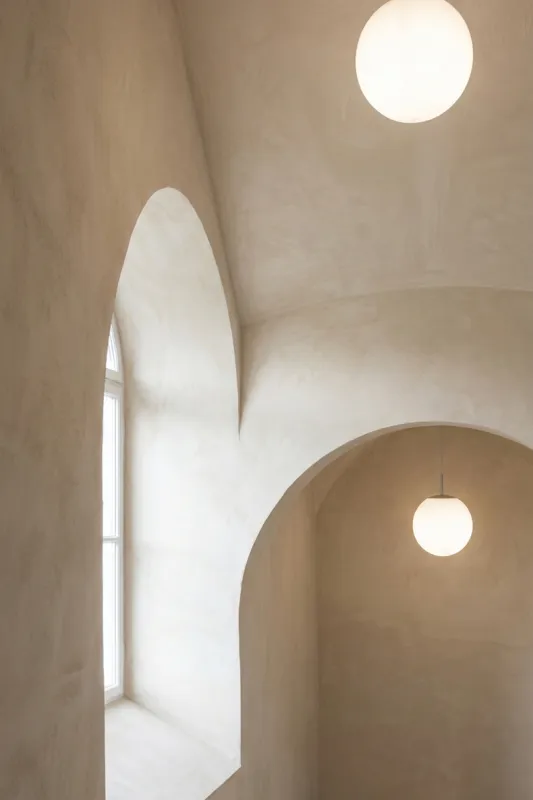
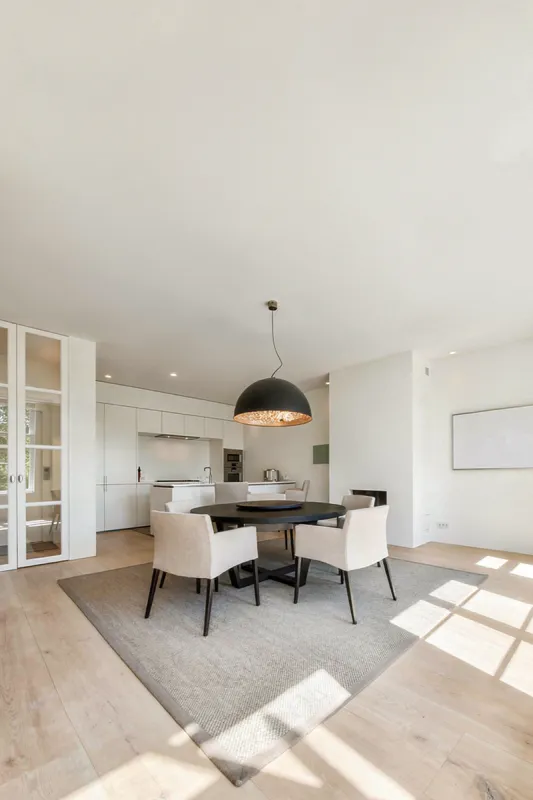
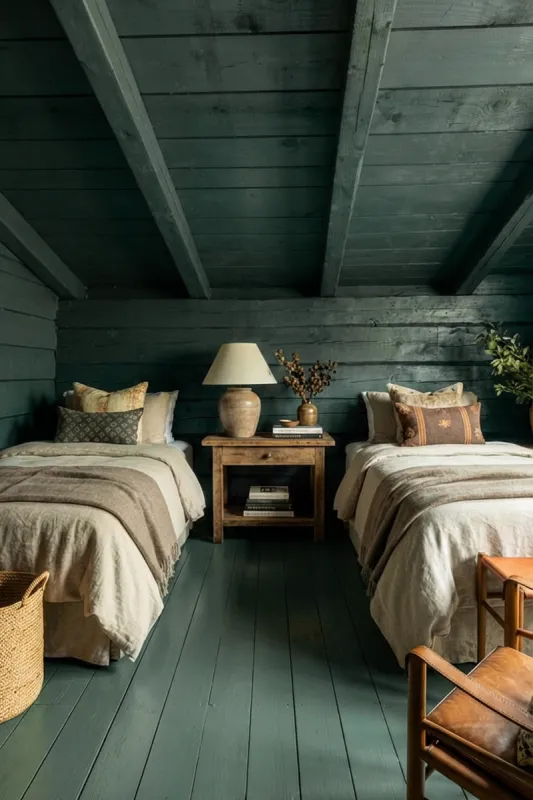
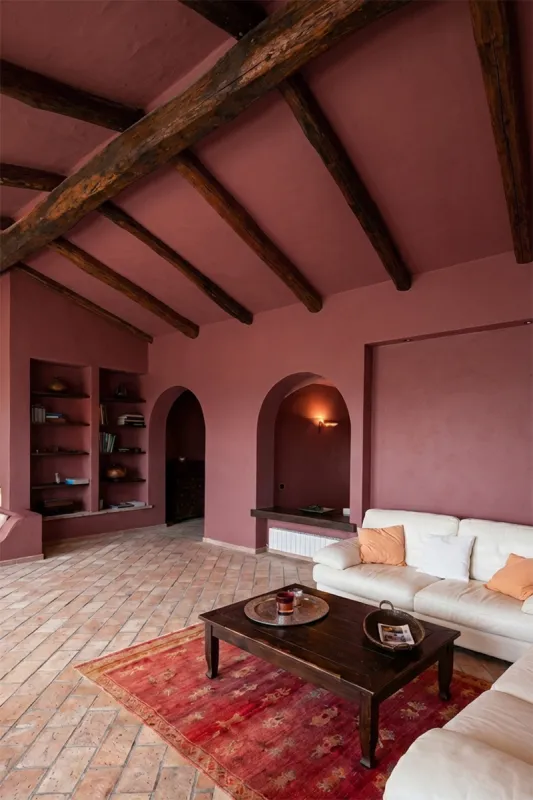
Before & After Inspiration
Ceiling Paints: Properties & Areas of Application
Wall Paint (Interior Paint) is a high-quality, acrylic-based interior paint with a satin finish and a coverage rate of approximately 120 g/m² – ideal for most room ceilings. Latex Paint is an acrylic-based paint with a matt finish, particularly suitable for damp rooms such as bathrooms and basements, as it is washable and breathable. Limewash Paint is a lime-based paint for a natural, matt finish, ideal for decorative ceiling projects with a traditional character. Wood Paint Acrylic Protect+ is a flexible, acrylic-based paint with a satin finish, specially developed for wood and dimensionally unstable substrates such as wood ceilings – weatherproof and suitable for both interior and exterior use.
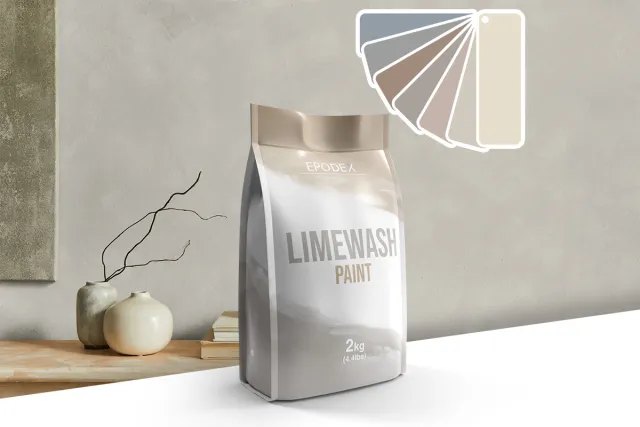
Ideal for painting ceilings for a naturally matt, breathable finish that gives rooms a calm and elegant effect.
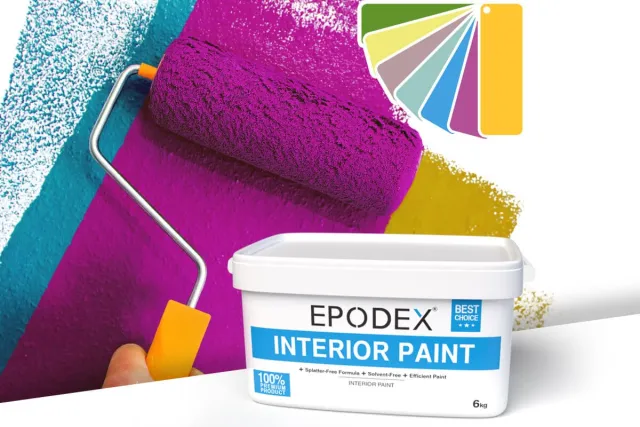
Perfect for painting ceilings indoors, easy to apply and provides even, streak-free coverage.

Particularly suitable for heavily used ceilings, as it is hard-wearing and easy to wipe clean, e.g. in the kitchen or bathroom.
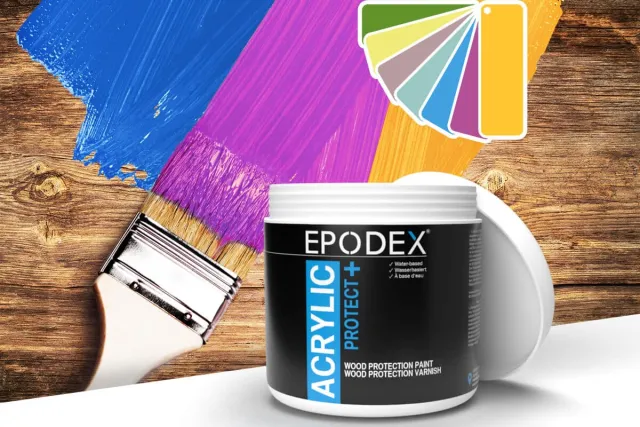
Optimal for painting wooden ceilings, offers reliable protection and a long-lasting coating, both indoors and outdoors.
Why the Right Ceiling Paint Makes All the Difference
Painting ceilings is one of the most cost-effective renovation measures with a significant impact. Instead of costly refurbishments, a fresh coat of paint is enough to completely revitalise a room. Modern ceiling paints are water-based, low-odour and environmentally friendly. Those looking to paint wooden ceilings benefit from the flexibility of Acrylic Protect+, which won't crack even on surfaces that shift. Latex paint provides ideal protection in damp rooms, whilst Limewash Paint, with its CO₂-absorbing, moisture-regulating properties, contributes to a healthy indoor climate. Whether classic white or a coloured accent on the ceiling – the possibilities are endless.
More Design Inspiration
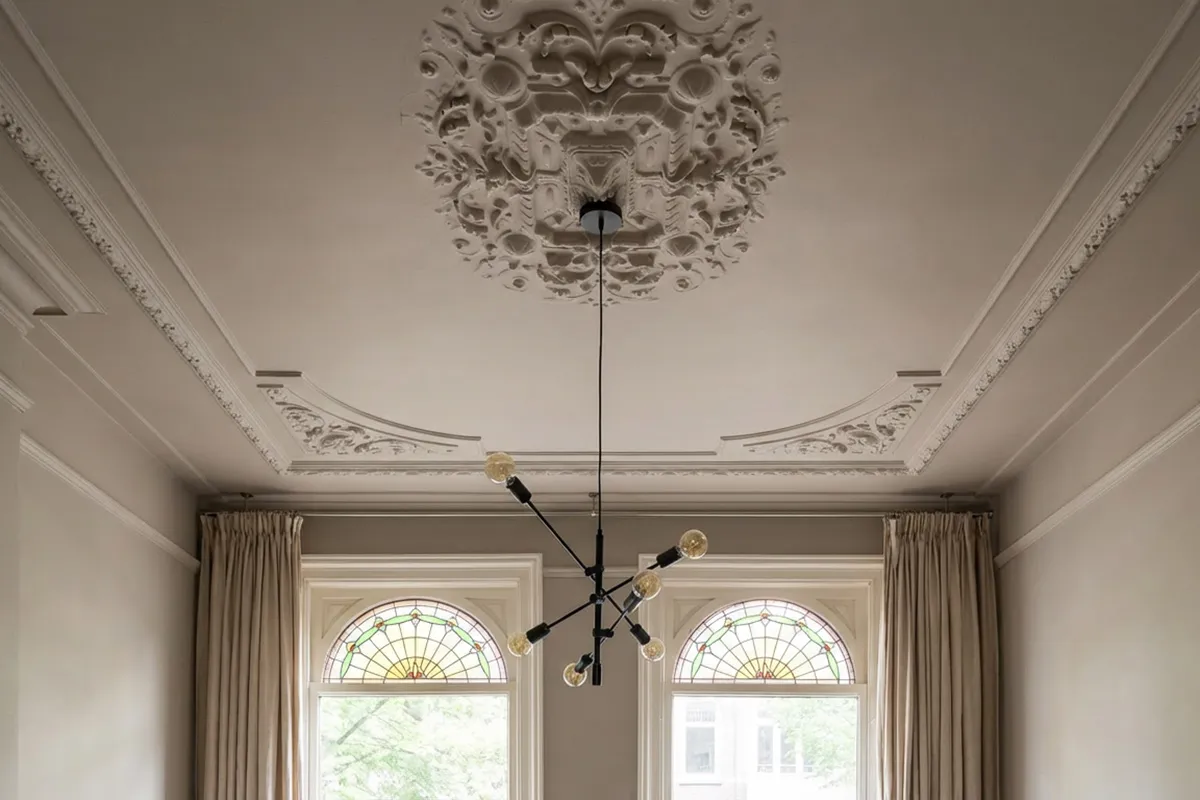
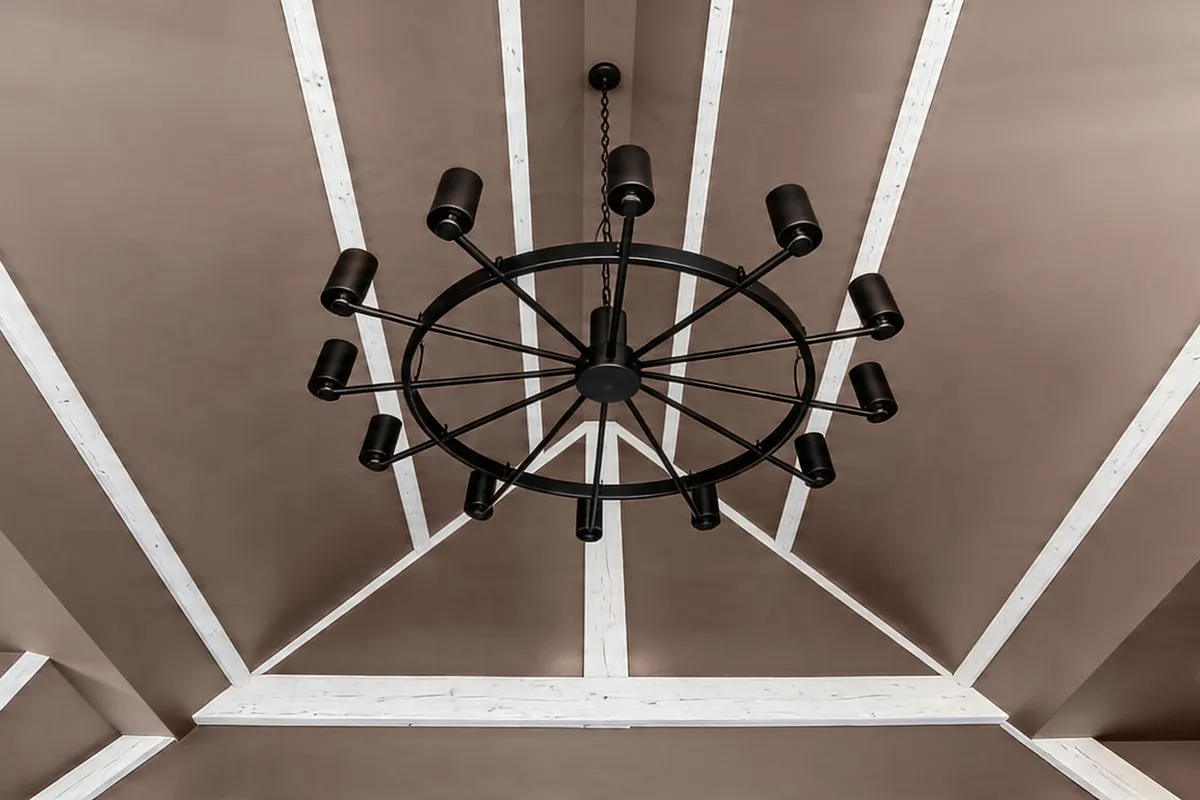
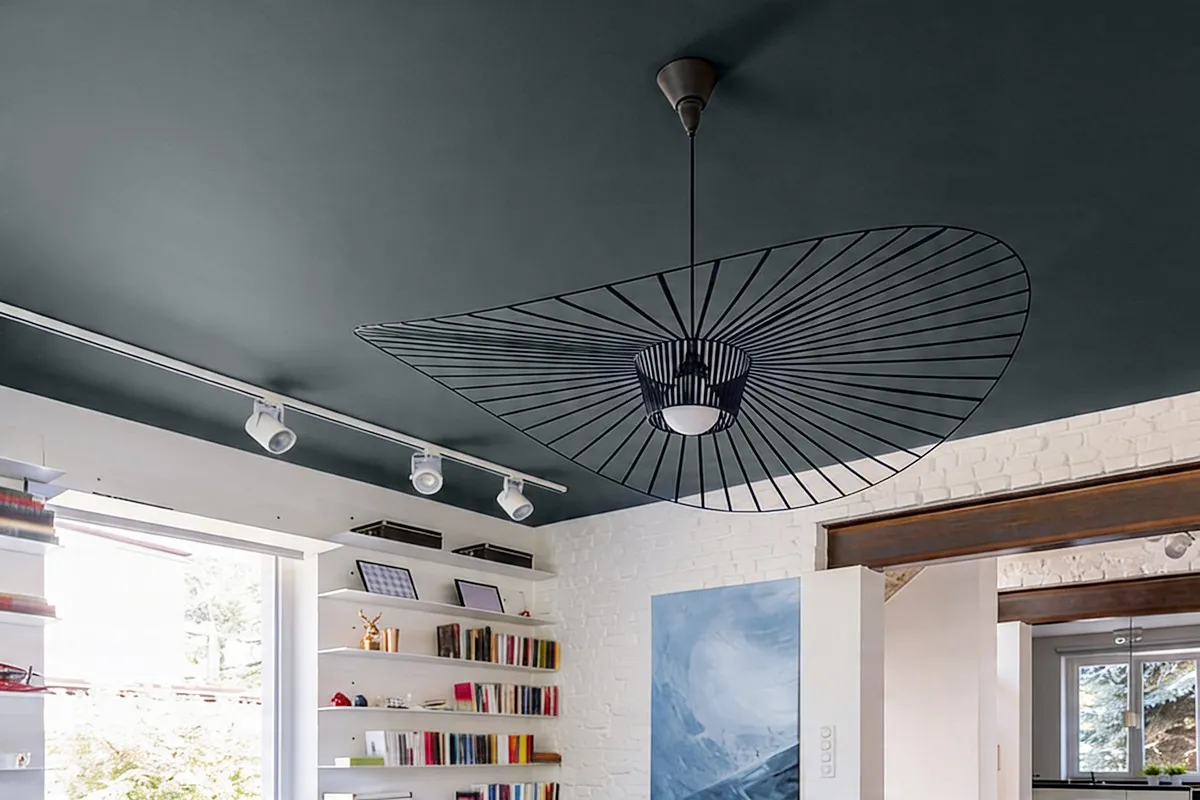
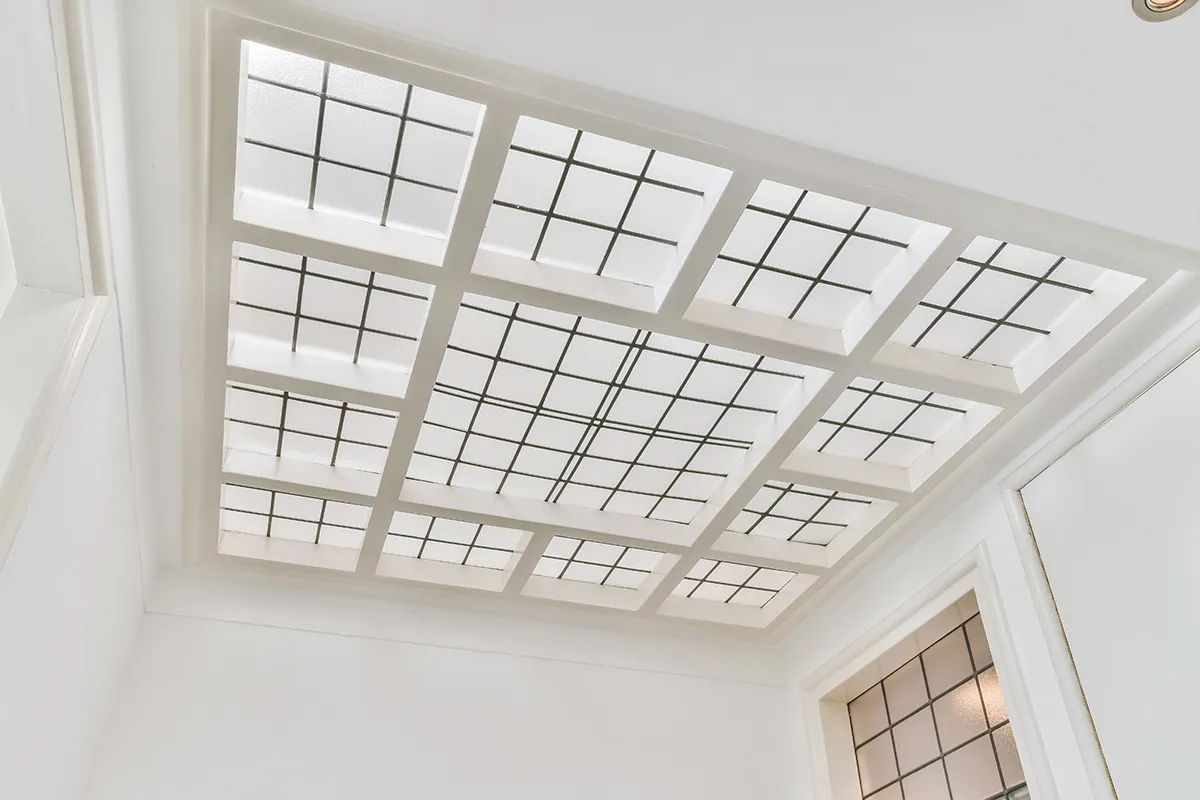
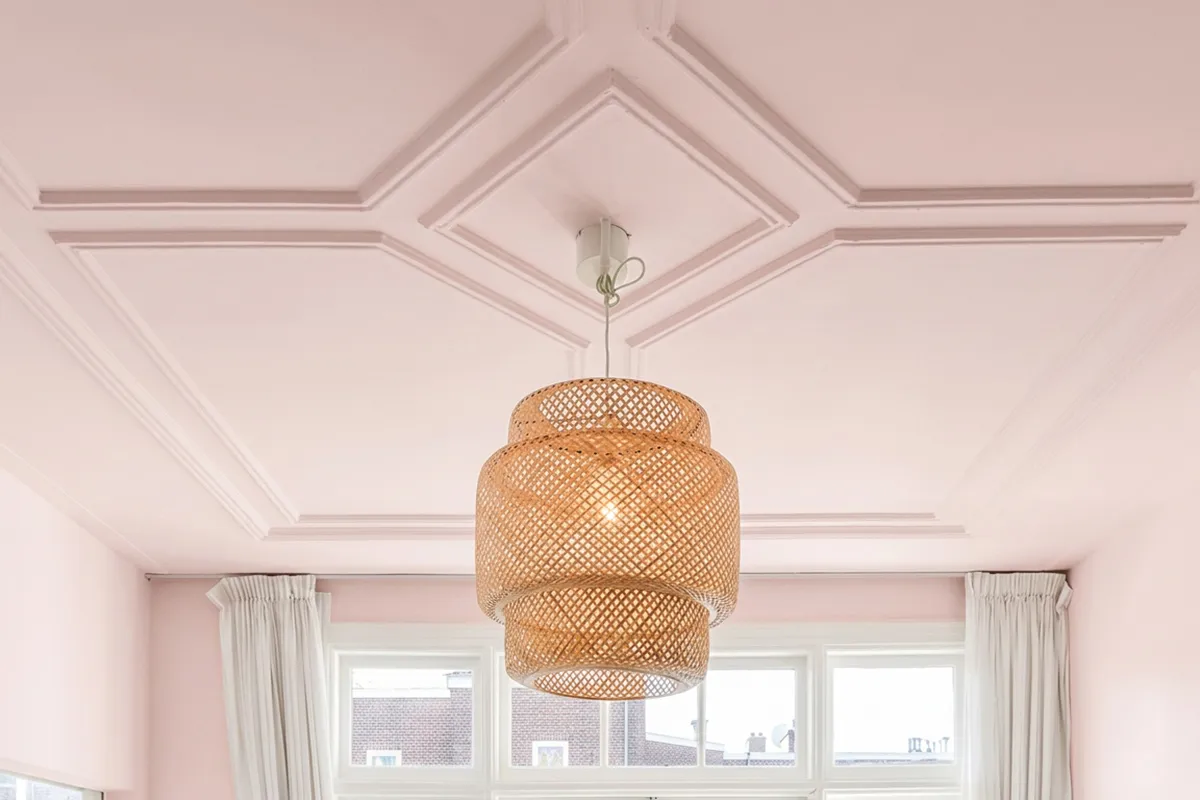
Be inspired by further design ideas and discover the diverse possibilities of painting ceilings. From radiant white to soft pastel tones through to dramatic dark accents – the right choice of colour and technique can fundamentally transform any room. Browse through image galleries and project examples to find the perfect inspiration for your next ceiling project.

Questions & Answers
How do I properly paint the ceiling with wall paint?

First, protect floors and furniture with dust sheets and tape edges with masking tape. Mix the wall paint thoroughly and add your WB pigment – only the Polar White variant is already pre-tinted. Apply the paint and allow it to dry. We recommend approximately two coats. When painting ceilings properly, you should always paint the ceiling first and then the walls. Remove the masking tape before the paint has completely dried.
How do I paint the ceiling with latex paint – and which direction to paint a ceiling?
Protect all areas that are not to be painted with masking film and painter's tape. Mix the latex paint thoroughly and add your WB pigment. Apply the paint and allow it to dry. We recommend approximately two coats. When which direction to paint a ceiling is important: always paint in the direction of the incoming light to avoid visible streaks. Remove the painter's tape before the paint has dried completely.
How do I apply Limewash Paint to a ceiling?
Ensure the ceiling surface is clean and free from irregularities. Prime if necessary with Wall Paint Polar White. Mix 2 kg Limewash Paint powder with 4 L water and 100 g WB Pigment. Apply the Limewash Paint with a fine bristle brush using cross-hatching movements. Work wet-on-wet and blend the edges of each section. Allow the first coat to dry for at least 3 hours before applying the next coat. We recommend at least two coats for the typical limewash effect.
What is the difference between Acrylic Protect and Acrylic Protect+ when painting wooden ceilings?
Acrylic Protect is a dimensionally stable paint for dimensionally stable substrates and surfaces with paint-on-paint contact such as doors and windows. Acrylic Protect+ is a flexible paint specially developed for non-dimensionally stable or warping substrates. For painting wooden ceilings, we therefore recommend Acrylic Protect+, as wooden ceilings work and can warp.
How many coats do I need when painting ceilings?
For even coverage and durability, two coats are typically required. On highly absorbent surfaces, when painting over dark colours, or when painting wood ceilings white, a third coat may be necessary.
What is the minimum temperature required when painting ceilings?
Wall paint, latex paint, Limewash Paint and Acrylic Protect+ must be applied at a minimum of +8 °C (substrate, room and paint temperature). The optimum application temperature is 20 °C. Application below the minimum temperature can lead to problems with opacity and drying.
How much paint do I need per m² for the ceiling?
Consumption depends on the paint chosen: wall paint approx. 120 g/m², latex paint approx. 120 g/m², Acrylic Protect+ approx. 120–150 g/m² and Limewash Paint approx. 120–150 g/m² per coat. On rough or highly absorbent surfaces, consumption may be higher.
Are the ceiling paints matt or glossy – which is suitable for painting wood ceilings white?
Wall Paint and Acrylic Protect+ have a satin finish. Latex Paint and Limewash Paint have a matt finish. The Pastel and Polar White variants of all paints are also matt. For painting wood ceilings white, Acrylic Protect+ Polar White is particularly suitable, as it has been specially developed for wood surfaces.
What is better for the ceiling: wall paint or latex paint?
Both wall paint and latex paint are high-quality paints and are suitable for painting ceilings. Latex paint is particularly suitable for damp rooms such as bathrooms and basements, as it is washable and breathable. For dry living spaces, wall paint is the classic choice.
What are the benefits of Limewash Paint for painting ceilings?
Limewash Paint is breathable, absorbs CO₂ during curing, acts as a natural moisture regulator and is free from harmful chemicals. This makes it an excellent choice for a healthy indoor climate – particularly on the ceiling, where warm air rises and moisture should be regulated.

STEVE SMITH
Any questions? I am glad to help!


 Transparency Quality Customer Service