



Painting Tiles
Products & Complete Guide to Transformation
Painting tiles is one of the quickest and most budget-friendly ways to breathe new life into a room. With the right approach, you can give outdated walls or floors a modern look without having to replace anything. This guide provides you with inspiration, benefits and practical steps for painting tiles in your home.
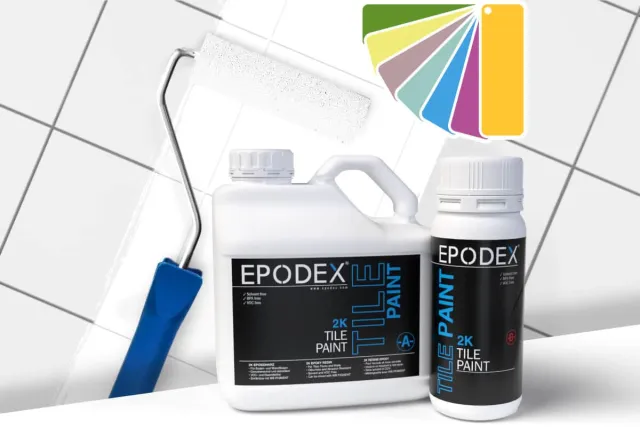
Heavy-duty 2-component tile paint specially designed for floors and walls in interior areas with high load-bearing capacity.
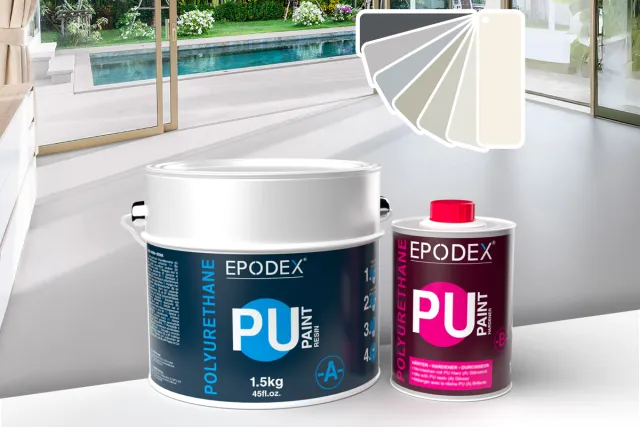
Versatile, coloured PU paint for numerous surfaces indoors and outdoors with a particularly robust finish.
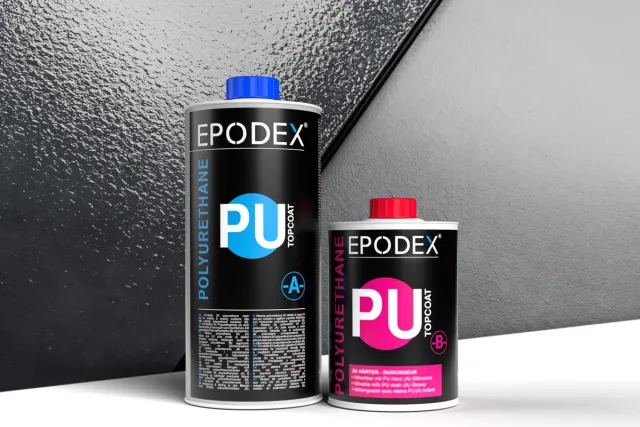
Transparent protective coating as a sealant for maximum durability and long-lasting shine.
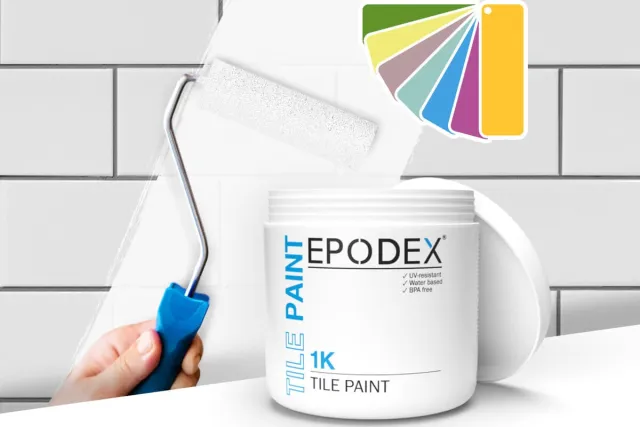
Simple, ready-to-use tile paint for interior wall tiles without mixing.
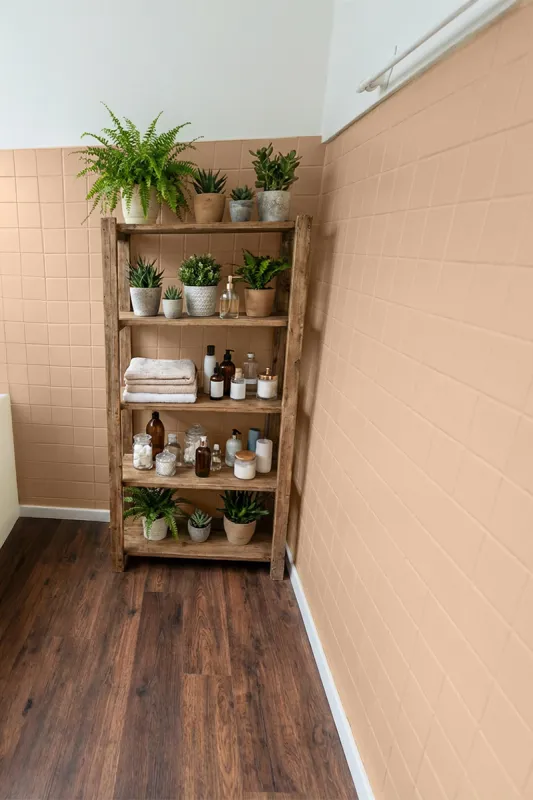
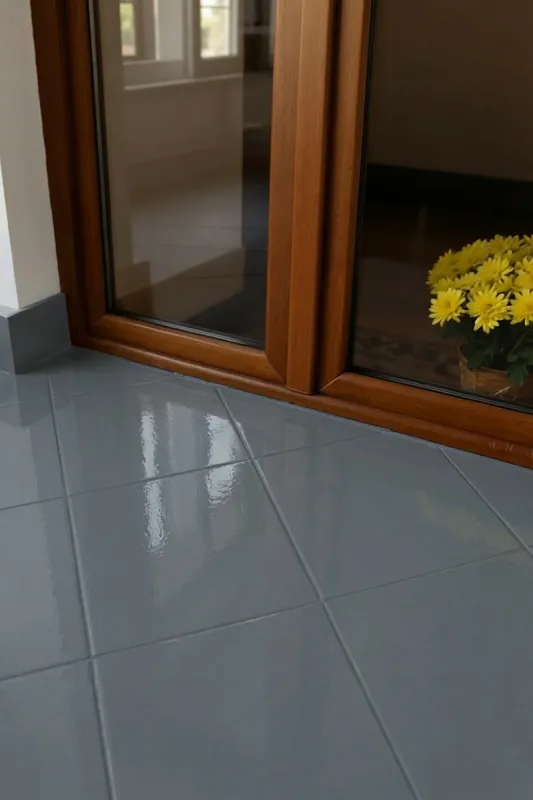
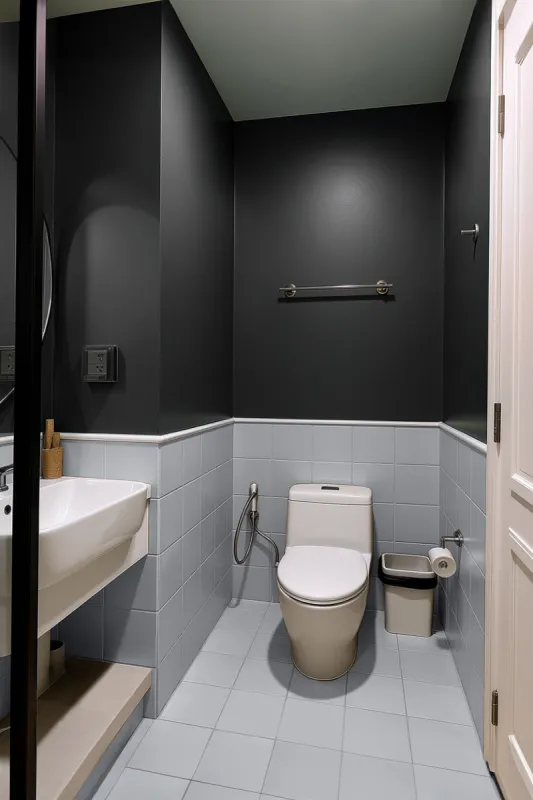
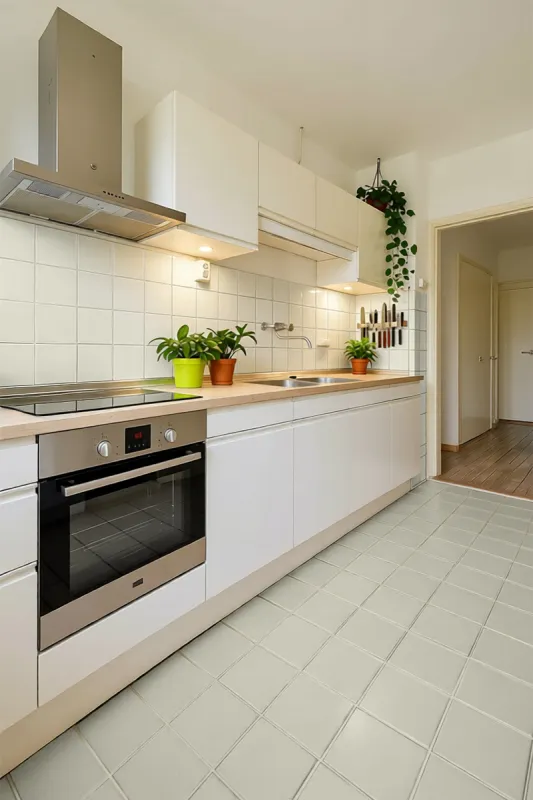
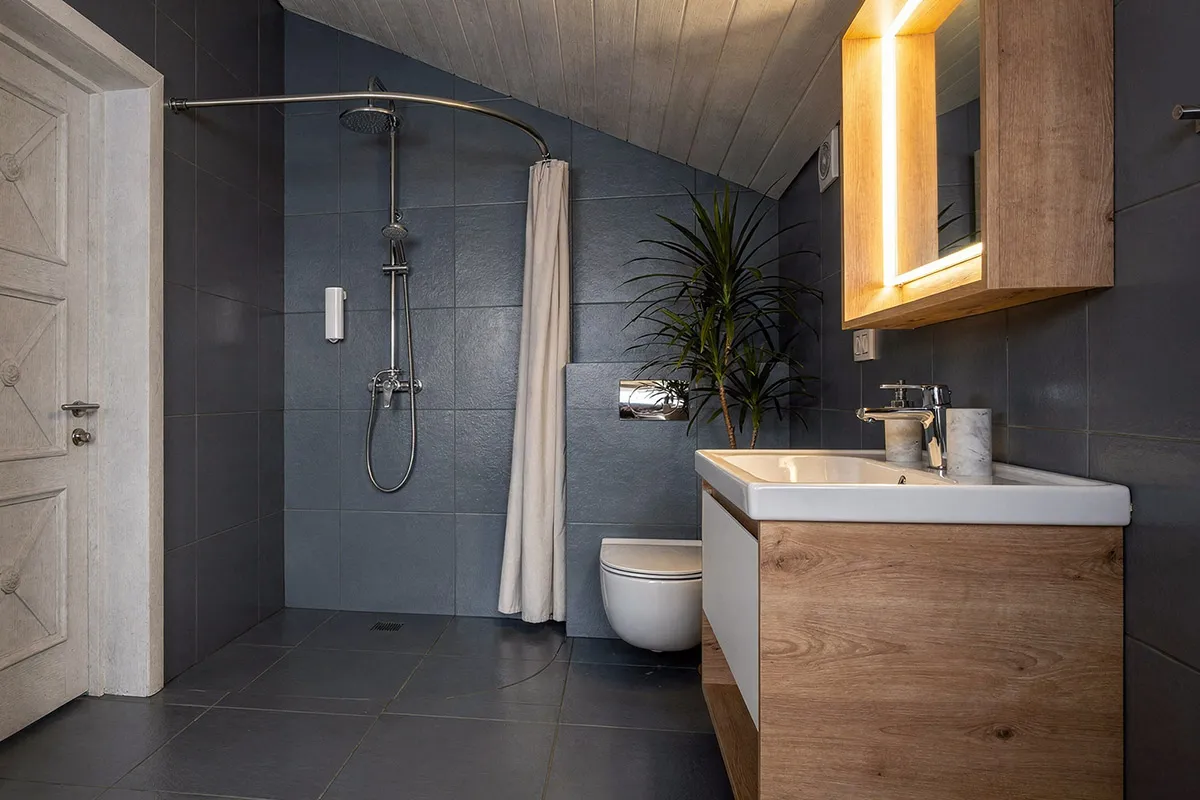
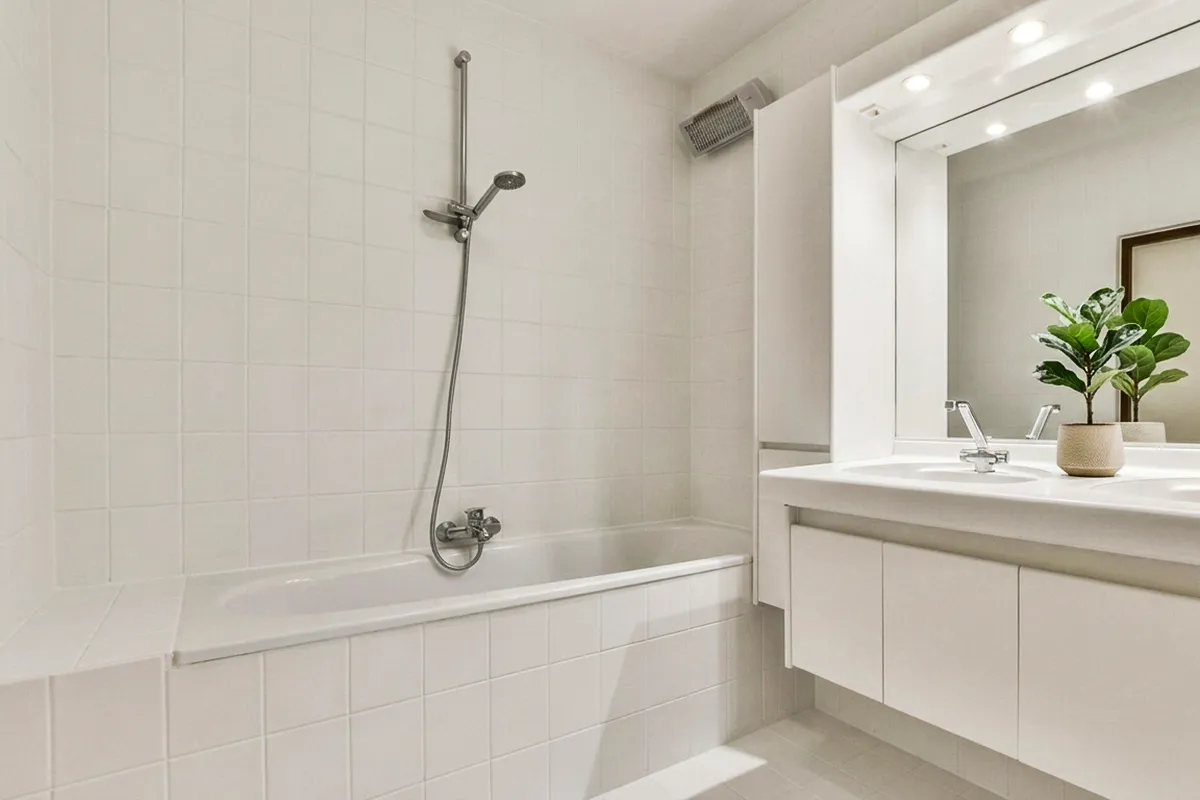
Before & After Inspiration
Painting Tiles – Step-by-Step Guide
What do I need for painting tiles?

You need:
- Pre-cleaner
- Brush
- Paint rollers
- Sandpaper and sanding block
- Tile paint
Step 1: Clean and Abrade the Surface
Before you begin painting tiles, you must thoroughly clean the surface. It is very important that no dirt particles, grease or adhesive residue remain on the tiles. Use the EPODEX pre-cleaner for cleaning. Then sand the tiles with sandpaper to matt them, and wipe away the dust.
Step 2: Identify Damage
After cleaning, you should inspect the tiles and grout for damage. Examine the surface carefully and mark any cracks, gaps or holes so that you don't miss anything when repairing. It's best to place something on the damaged areas that can be removed without leaving residue (e.g. a coin or masking tape).
Step 3: Repair as Needed
If you find damaged grout, you can repair it using grout whitening products or, for larger damage, grouting compound. Carefully follow the instructions on the packaging and wipe away excess material immediately after application. Remove the silicone with a craft knife. You can fill small cracks in the tiles with liquid plastic. For larger cracks, use self-levelling compound. If a tile is severely damaged, you can replace it and fix the new tile with tile adhesive. Wait until everything has fully cured or dried. After the repair work, clean everything thoroughly once again.
Step 4: Apply the Primer
Observe the required safety precautions and wear body-covering clothing, a dust mask and gloves, and ensure good ventilation in the room. Then paint the tiles with a paint roller and use a brush for the corners. The first coat doesn't need to be completely opaque; it should be applied evenly and not too thickly. Allow the paint layer to dry.
Step 5: Apply the Second Coat
Once the first coat is completely dry, you can apply the second coat. Apply it in the same manner as the primer. Depending on the desired colour tone and coverage, a further coat may be required. Very dark tiles often need three coats before they achieve a lighter tone and nothing shows through.
Step 6: Apply New Grout and Allow to Cure
Once the final coat has completely dried, you can apply new silicone grout. Allow the tiles to cure and do not walk on or place any weight on the surface during this time. Your newly painted tiles are then finished and ready for use.
More Design Inspiration
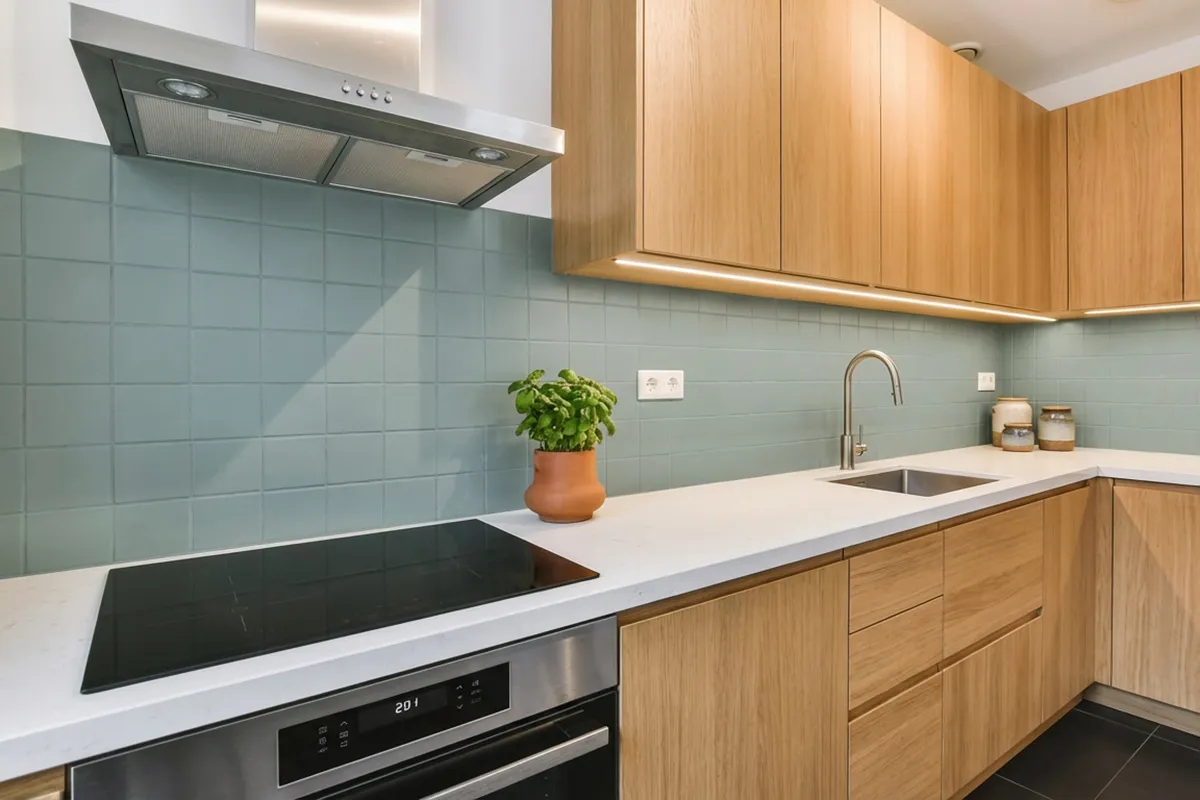
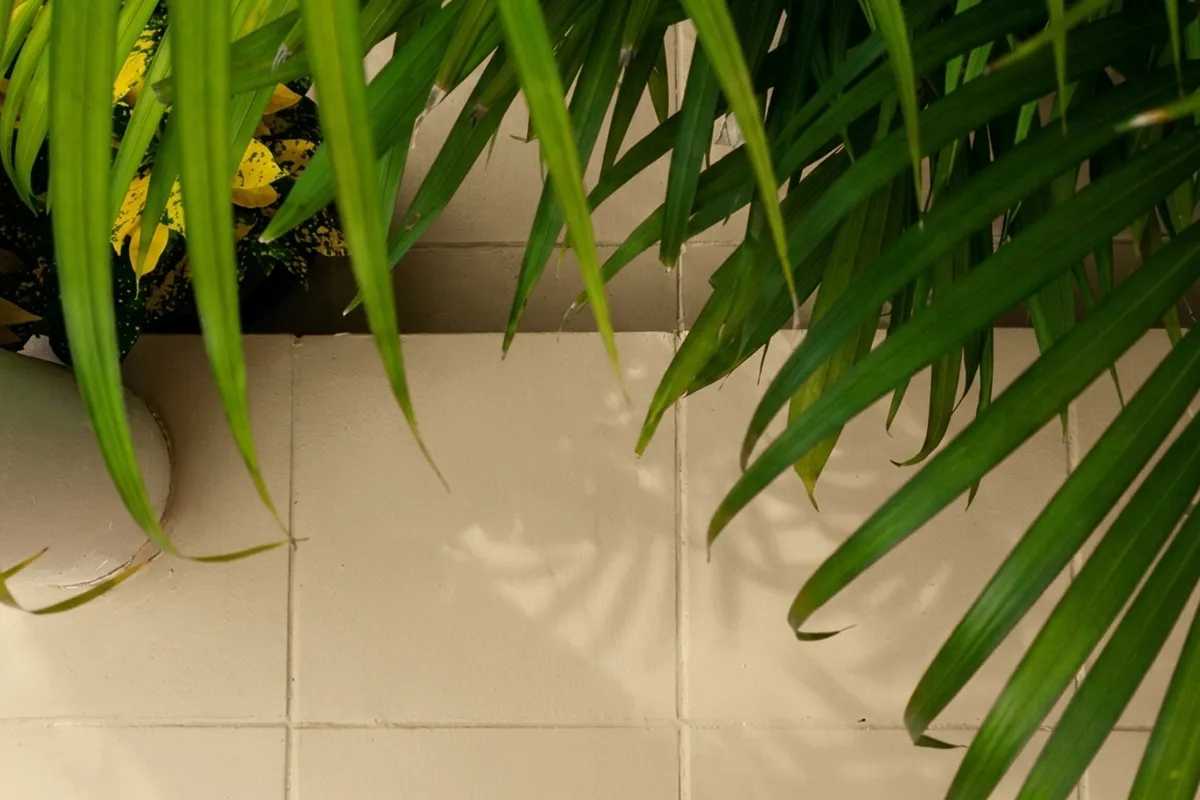
Whether you prefer minimalist neutral tones or vibrant colours, painting tiles opens up endless creative possibilities for you. Many homeowners experiment with patterns, stencils or contrasting borders to personalise their interiors. On social media you'll find numerous ideas showing how simple and effective coloring tiles can be.
FAQ – Questions & Answers About Painting Tiles
Why Choose Painting Tiles?
It's a quick and cost-effective way to modernise rooms—ideal for painting bathroom tiles without extensive renovation work. These paints are also suitable for painting floor tiles in areas with light to heavy foot traffic and are excellent for colouring tiles to match new design themes.
Can you paint tiles in every room?
Yes. Painting tiles works well in most rooms as long as the tiles are clean, dry and properly prepared. Bathrooms, kitchens and hallways are frequently chosen areas.
Does painting bathroom tiles last long?
With proper care and durable paint, painting bathroom tiles can last for several years. Adequate ventilation and complete curing help to preserve the finish.
Is painting floor tiles a good idea?
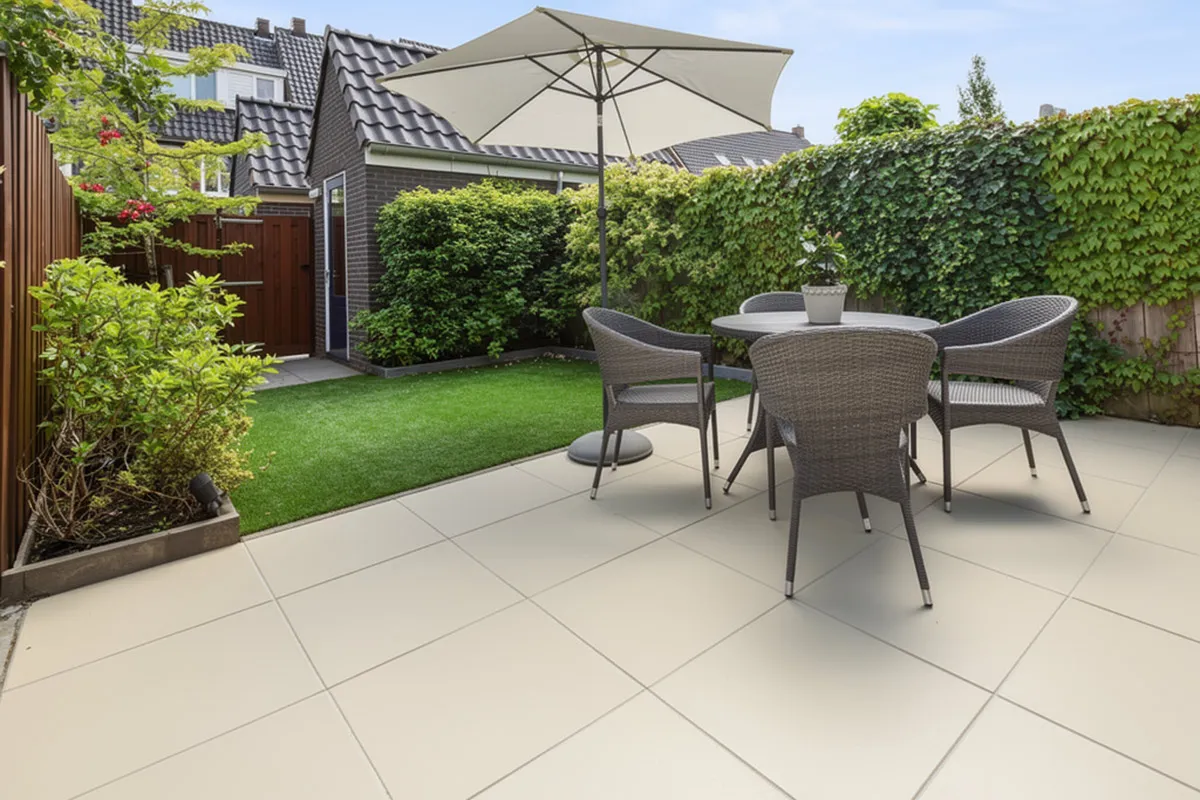
Painting floor tiles is effective both indoors and outdoors. Using durable paint and sealing the surface increases durability and longevity.
How long does painting tiles take?
From preparation to the final coat, painting tiles typically takes one to two days. Drying and curing times vary, so you should avoid heavy use until the paint has fully cured.
Can I also paint outdoor tiles?
Yes. PU paint is suitable for outdoor tiles, as it forms an extremely durable, weather-resistant coating. It adheres well to outdoor surfaces and withstands rain, UV radiation and temperature fluctuations.

STEVE SMITH
Any questions? I am glad to help!


 Transparency Quality Customer Service